Oct 11, 2006

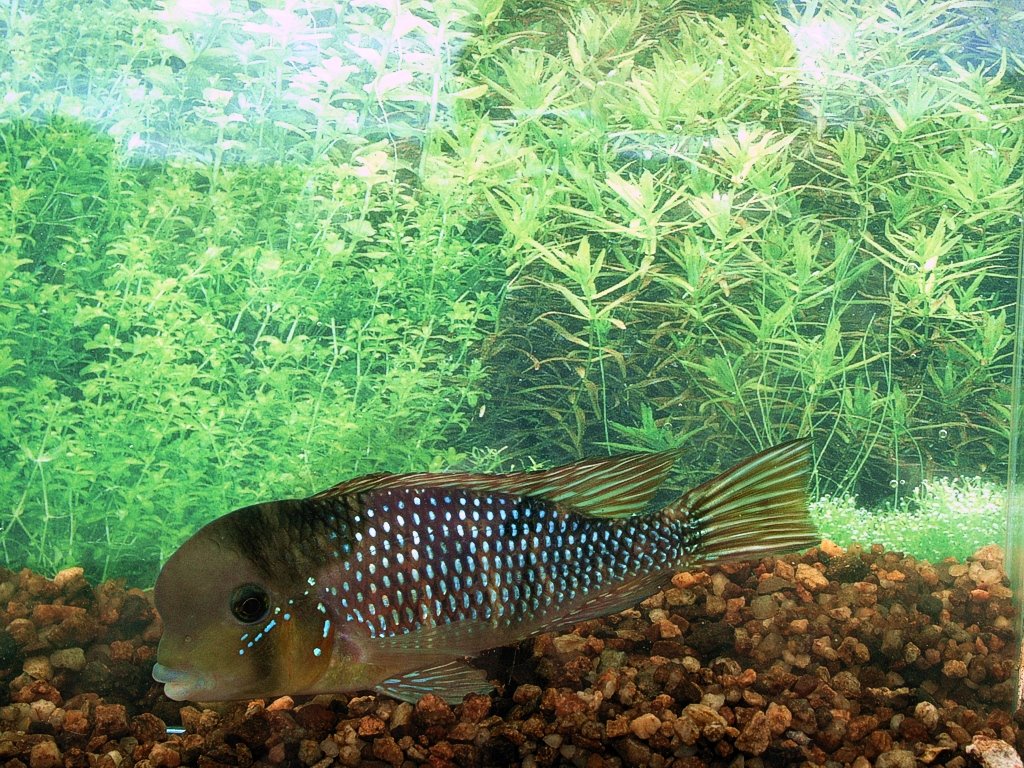
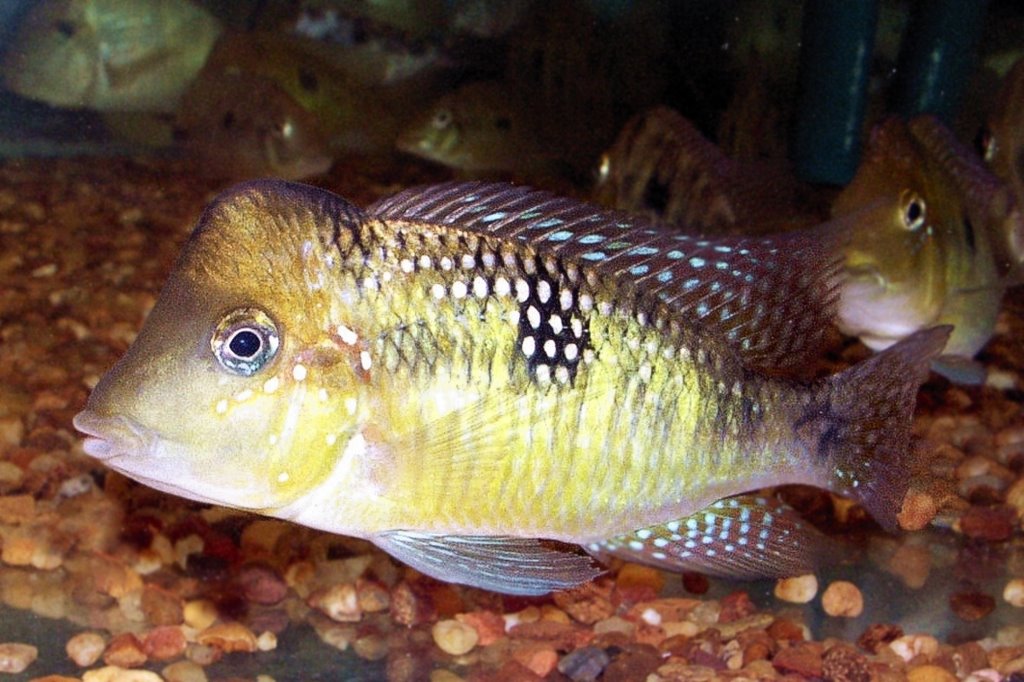
Gymnogeophagus gymnogenys


Geophagus gymnogenys reaches a maximum length of about 8 cm, with females considerably smaller. The males show rows of small pearly spots on the scale centers.There is a large, black, mid-lateral splotch, a series of five to six vertical, double, dark cross-bands on the flanks and a black "saddle" mark just behind the nuchal knot. Females, on the other hand, are very elongate and have a convex head profile. Historically, Gg. gymnogenys was one of the first of the eartheaters to have been imported (along with the chanchito, Cichlasoma facetum) and was bred around the turn of the 20th century. Sterba (1966) cites 1900 as the initial importation date of this fish into Germany, and line drawings, some in color, appear in the early literature.
El Geophagus gymnogenys alcanza una máxima longitud de alrededor de 8 cm, con hembras considerablemente más diminutas. Los machos presentan hileras de pequeñas manchas perladas en el centro de las escamas, una mancha lateral negra grande y una serie de cinco a seis bandas dobles cruzadas en los flancos. Poseen además una marca a manera de "montura" detrás de la parte posterior de la cabeza. Las hembras, por otro lado, son muy elongadas y el perfil de sus cabezas son convexas. Históricamente, el Geophagus gymnogenys fue uno de los primeros cíclidos en haber sido importados (junto con la llamada "chanchita", Cichlasoma facetum) y fue durante el inicio del siglo 20 cuando se consiguió su reproducción en cautiverio. Sterva (1966) cita el año 1900 como la fecha en la cual se produjo la importación hacia Alemania y donde se efectuaron algunos bosquejos en la literatura que describe a esta especie.

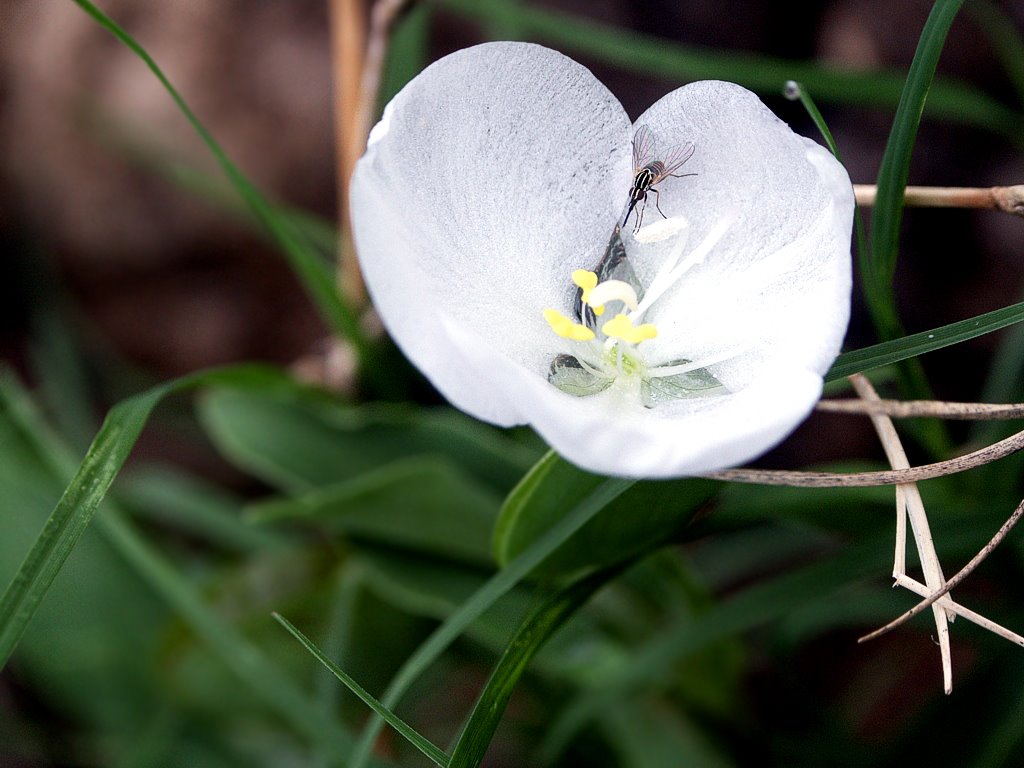
Pollinizing fly on native flower / Mosca polinizadora sobre flor nativa


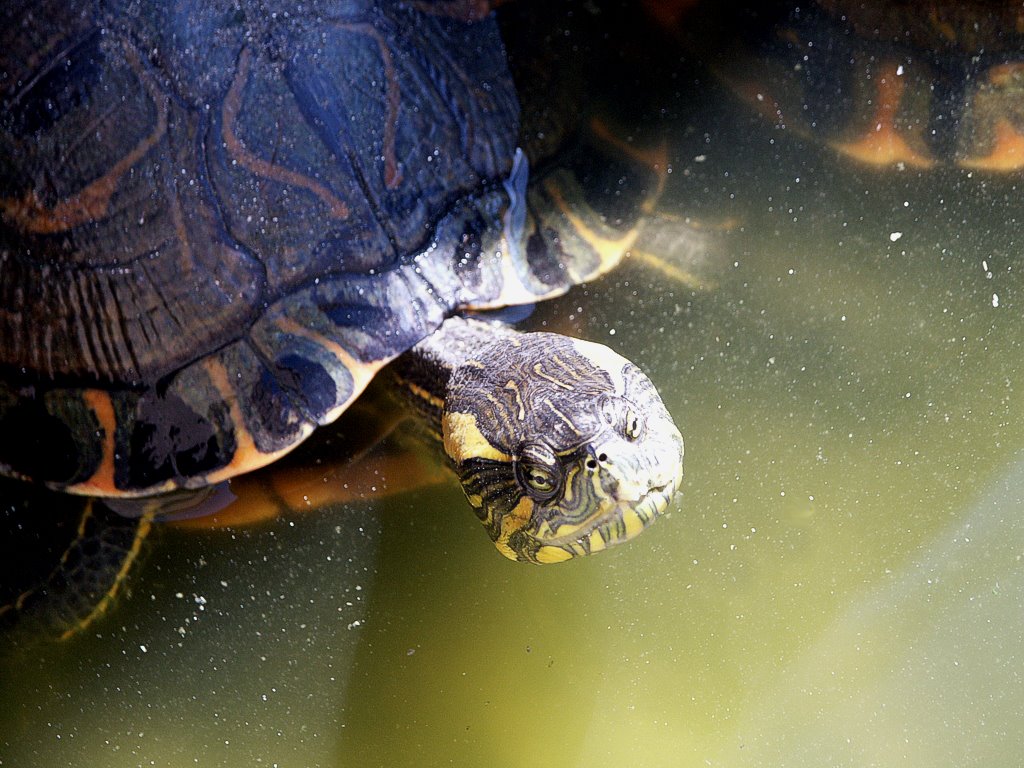
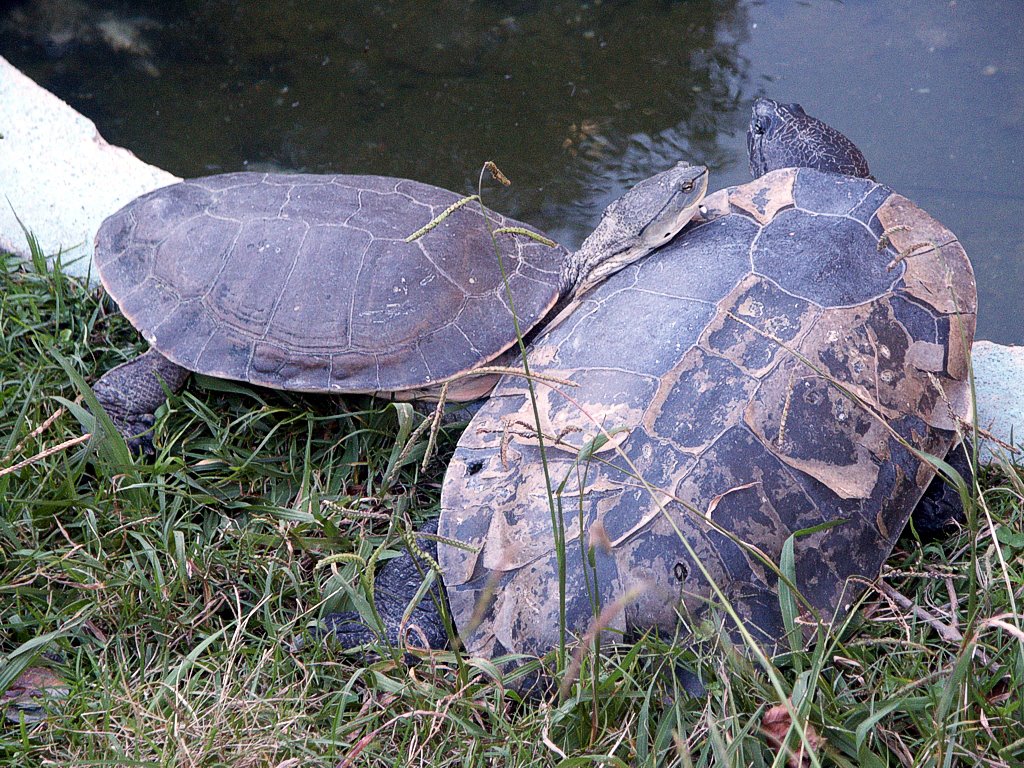
Slider turtle / Tortuga Morrocoyo (Trachemys dorbignyi)


A medium sized slider turtle , the southern most species of its genus, and the only south American Trachemys with a temperate climate habitat.
Esta especie de tortuga de cuyo género es el más septentrional del continente, es también la única que vive en clima templado.

Oct 9, 2006

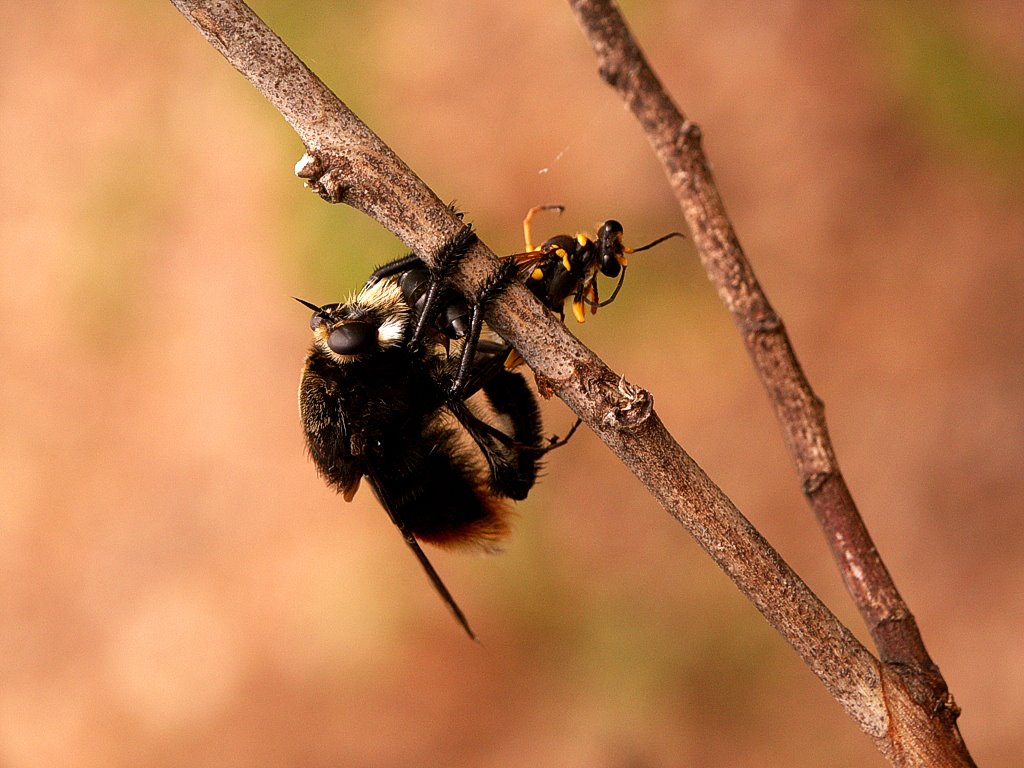
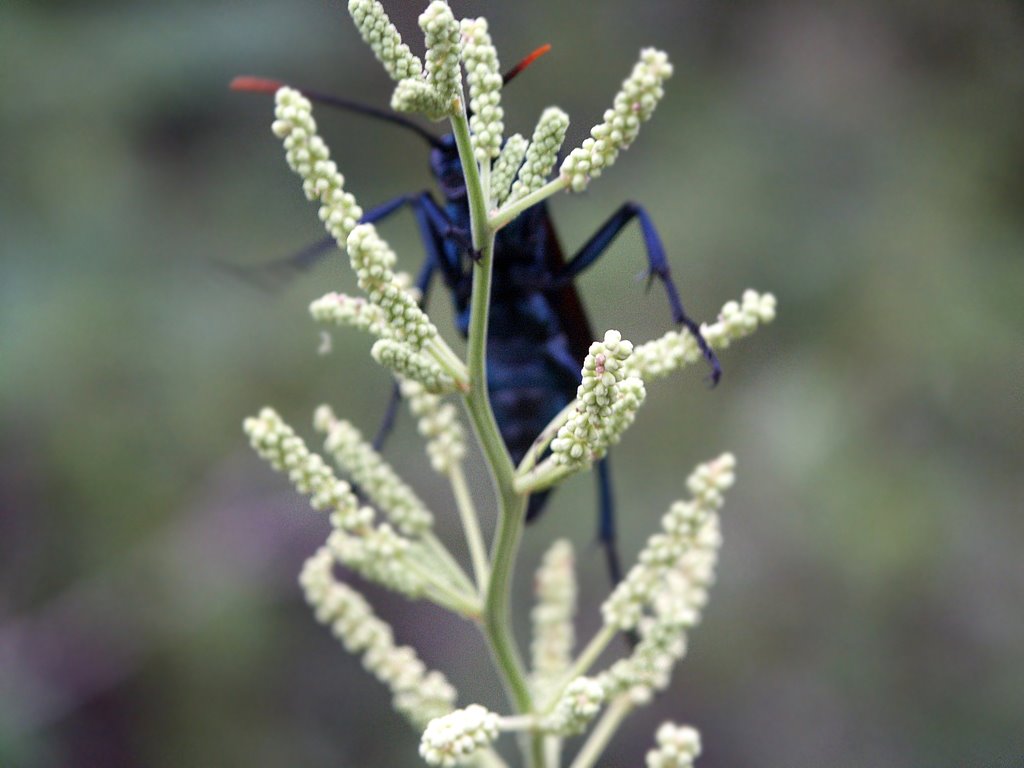
Carnivorus bumblebee eating a wasp / Abeja carnívora alimentándose de una avispa


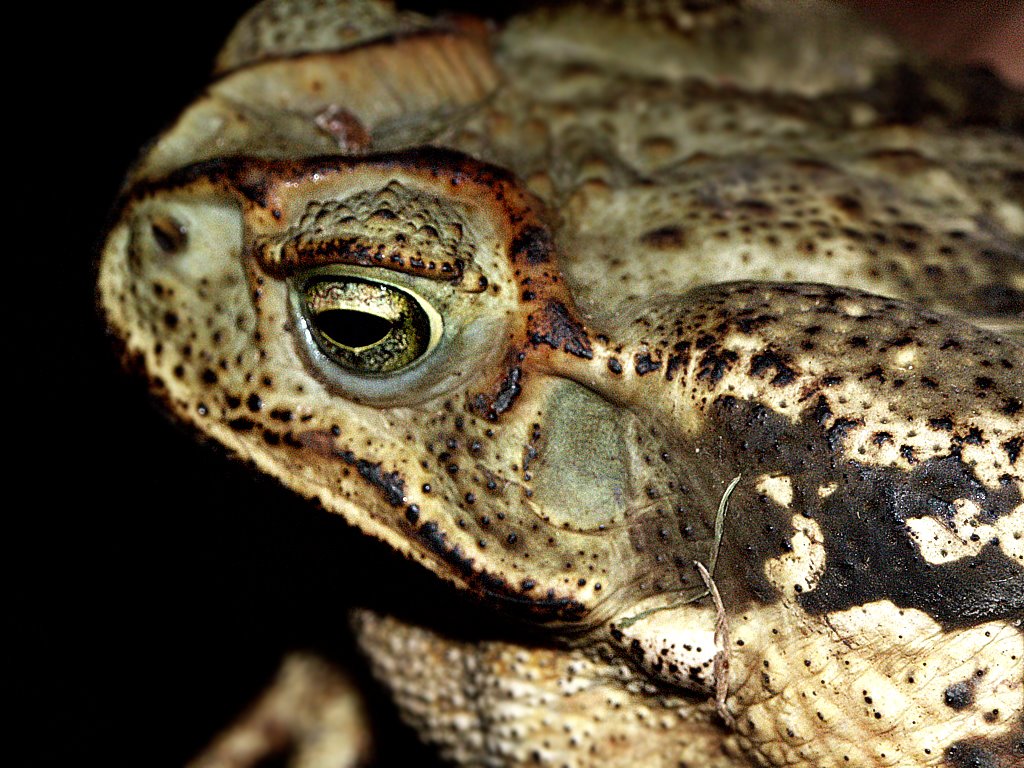
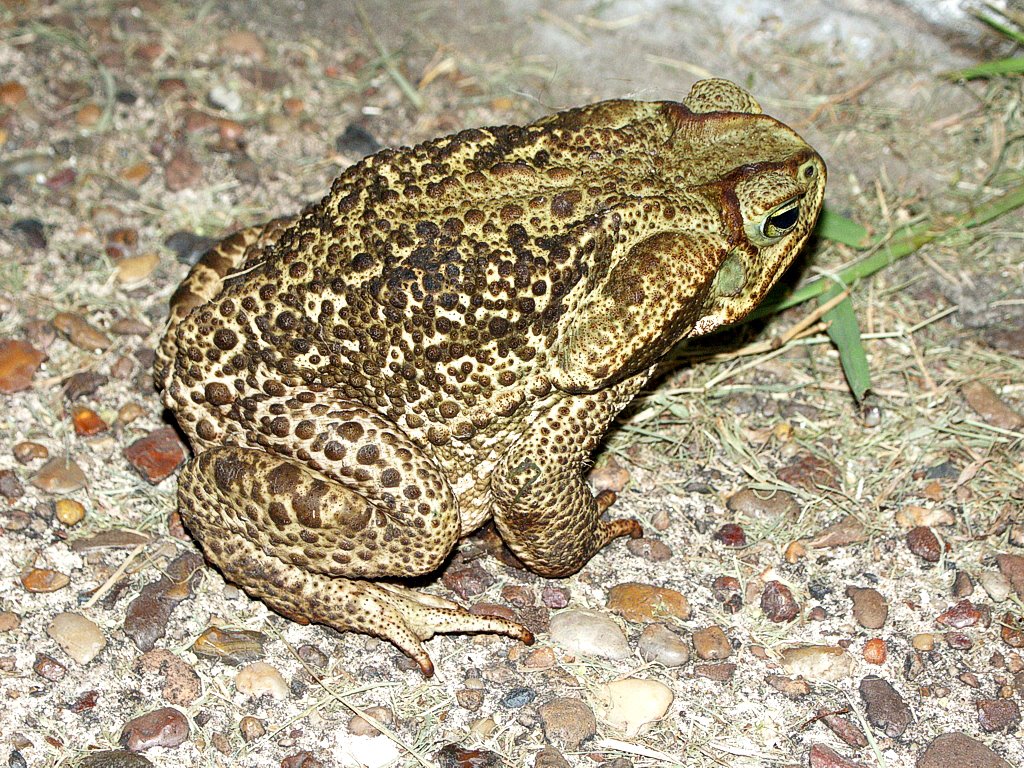
Cururu toad / Sapo Cururú (Bufo ictericus)


The Cururu toad is a large terrestrial amphibian living in woods and being adapted to an urban environment. Commonly used breeding sites for this species are next to roads, in puddles, pasture ponds, and slow moving pasture streams. This species is widely distributed throughout the country.
El sapo Cururú es un anfibio terrestre de porte bastante prominente que vive en los montes y se adaptado a los ambientes urbanos. Comúnmente utiliza los bordes de caminos, charcos y cañadas. Esta especie está distribuída ampliamente por todo el país.

Polinizer over Acacia Bonarensis / Polinizador sobre Acacia Bonarensis


Ficus luschnathiana on Butia palmtree / Ficus luschnathiana sobre palmera Butiá


This indigenous ficus constricts its 'victim', a Butia palmtree, in the same fashion as an anaconda snake embraces its prey. However, it doesn't cause it any harm for it is not a parasite plant.
Este ficus indígena constriñe a su víctima, una palmera Butiá, de la misma forma que la serpiente anaconda abraza a su presa. Sin embargo, no le produce daño alguno dado que no se trata de una planta parásita.

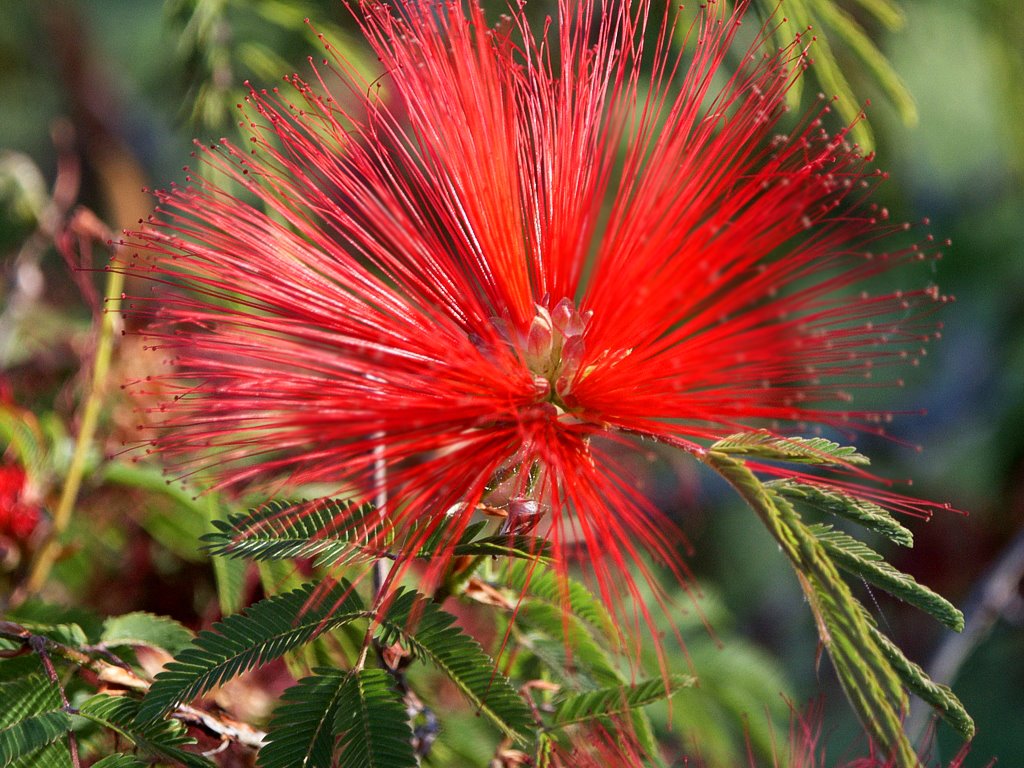
Red Tassel / plumerillo rojo (Calliandra tweedii)


It is a long-lived, many-stemmed dense shrub, belonging to the Mimosa family and grows to about 6ft high. The branches grow from ground level, and the leaves consist of tiny crowded leaflets that fold together at night or by touch. The fine, feathery and large flowers are a deep scarlet color and borne among the green foliage from spring to autumn.
Se trata de un arbusto perenne y denso perteneciente a la familia de las Mimosas que crece hasta casi 2 metros de altura. Las ramas crecen desde el nivel del suelo y sus hojas pineadas se doblan durante la noche con el contacto con algún objeto. Las finas y plumosas flores poseen un color escarlata muy oscuro y aparecen durante la primavera hasta el otoño.

Oct 8, 2006

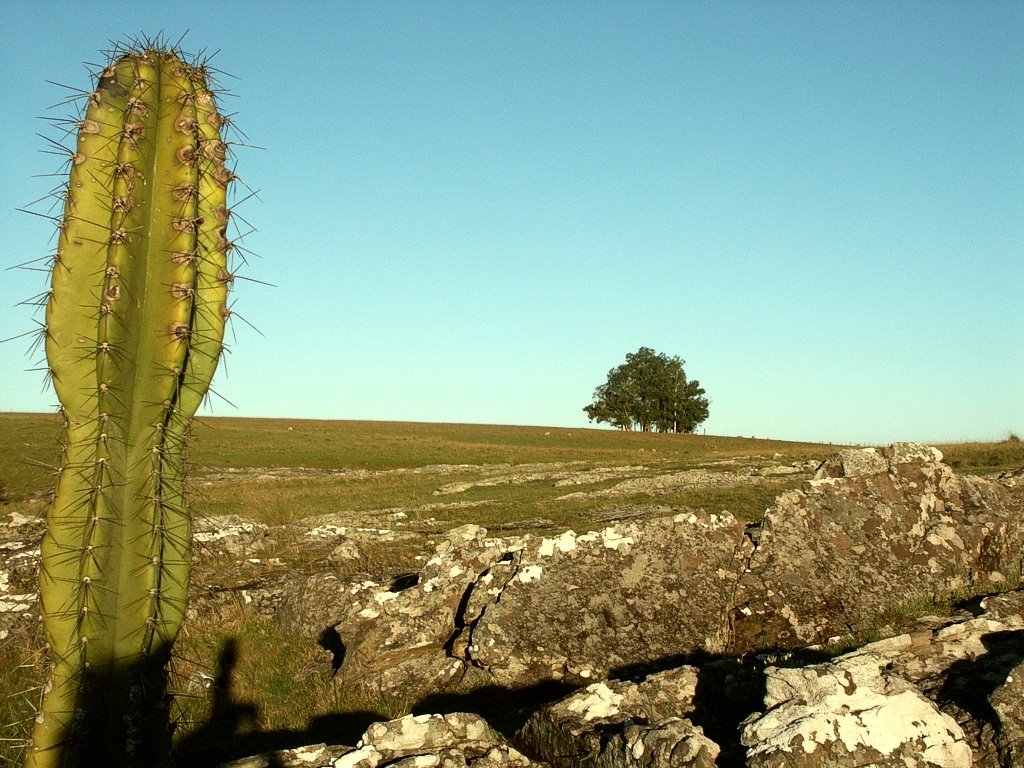
Centurion landscape / Paisaje de Centurión


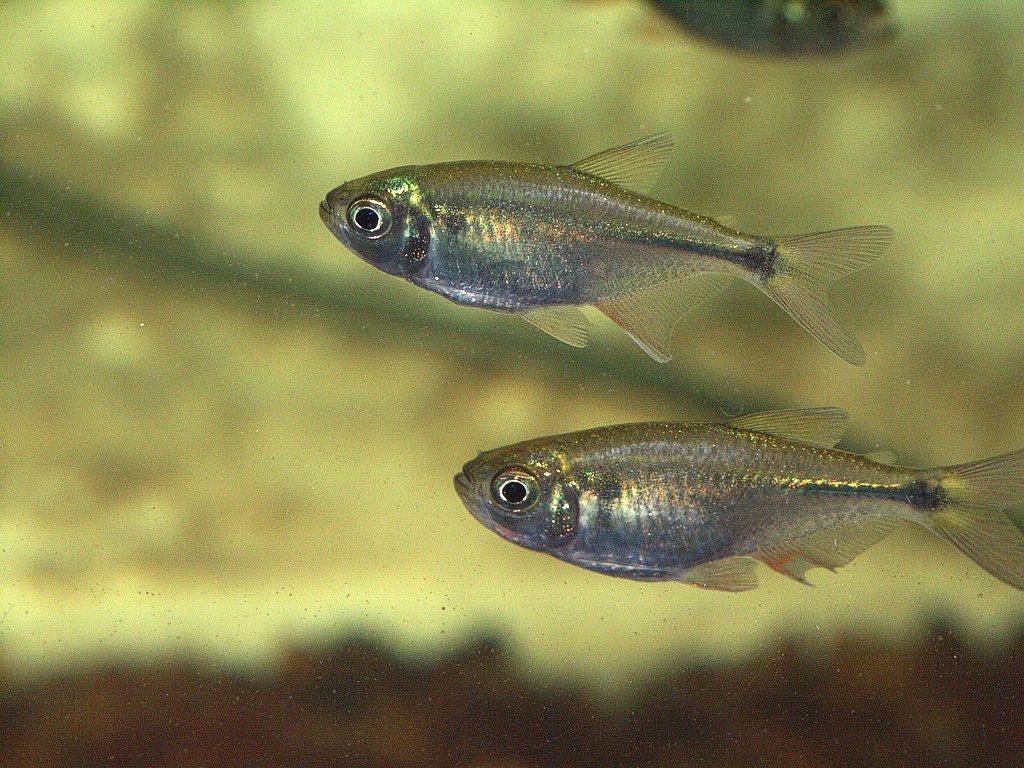
Tetra / Mojarra (Astyanax abramis)


Astyanax is a genus of freshwater fish in the characin family (family Characidae). The roughly 100 Astyanax species are among the fishes known as tetras.
Astyanax es un género de peces de agua dulce de la familia de los carácidos (Characidae). Comprende alrededor de 100 especies de peces conocidos como mojarras o tetras.

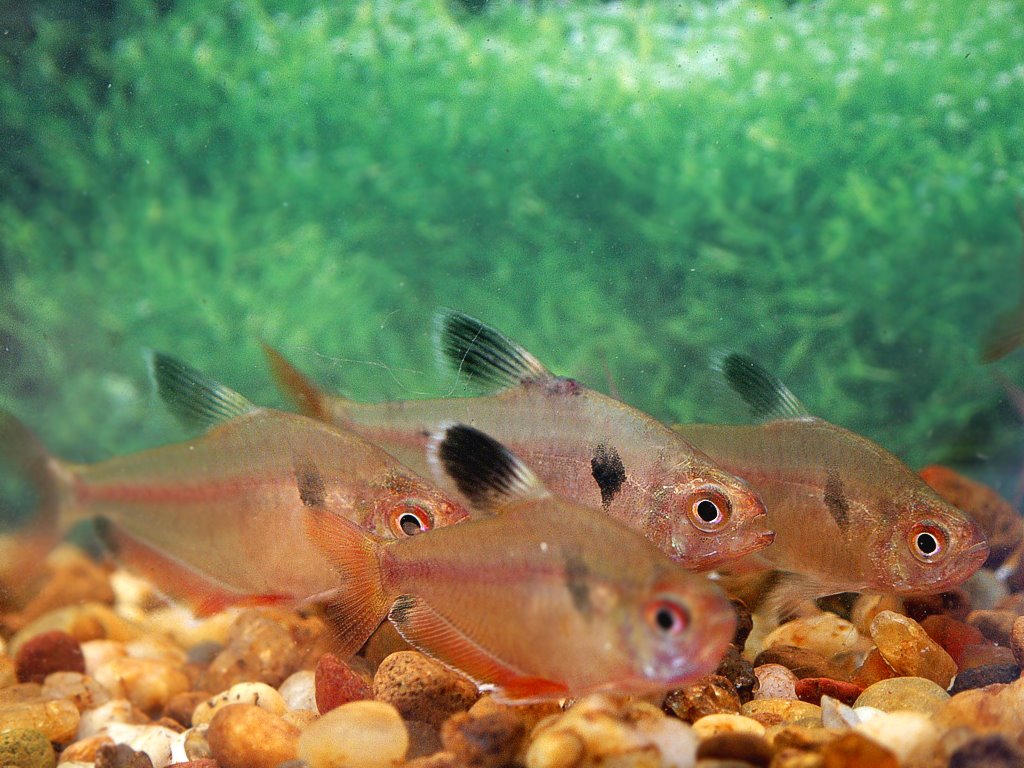
Tetra / Mojarra (Hyphessobrycon erythrostigma)


This fish is prized for the heart shaped spot near where you'd expect the heart to be. Several sub-species exist, including a long finned variety, as well as one that is gold tinted. All of them sport attractive fins edged in white and black, in addition to the characteristic bright red heart in the upper abdomen. They are a relatively peaceful fish suitable for community tanks. Males are slightly larger than females, and have elongated dorsal and anal fins.
Este pez se caracteriza por poseer una mancha en forma de corazón justamente donde se piensa que se halla el mismo. Existen varias subespecies , entre ellas una de cola de velo y otra totalmente dorada. Todas ellas presentan colas bordeadas en blanco y negro en adición con la mancha roja referida anteriormente. Son una especie relativamente pacífica, apta para peceras comunitarias. Los machos son levemente más grandes que las hembras y tienen aletas dorsales y anales más elongadas.

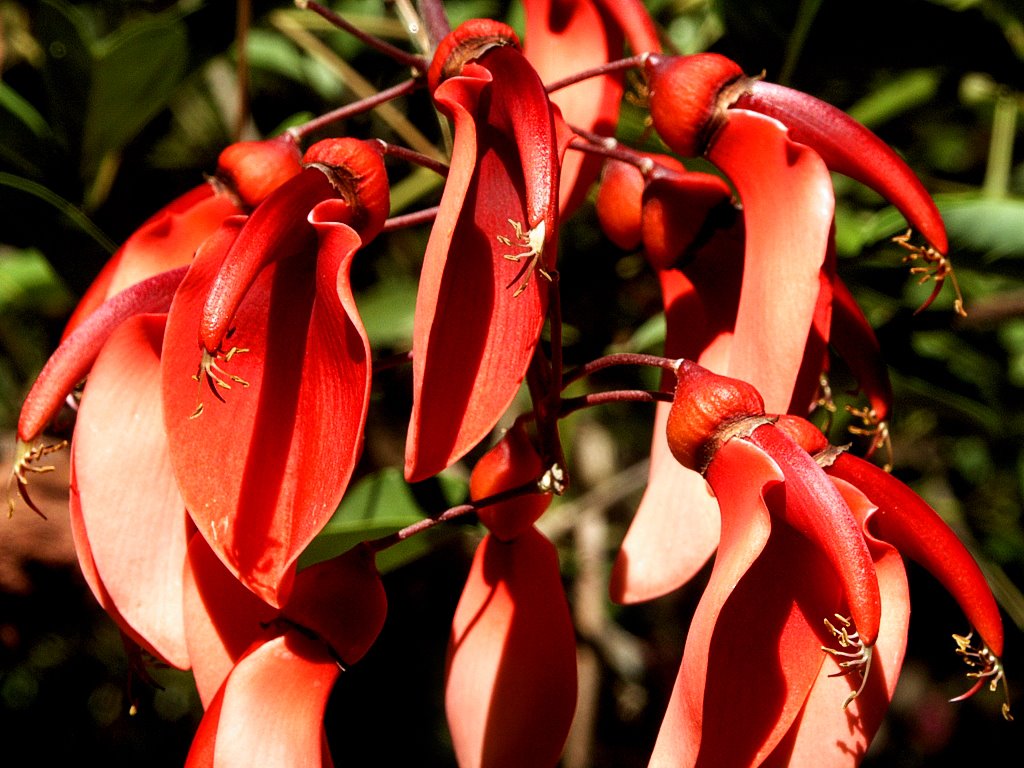
Cockspur coral tree / Ceibo (Erythrina cristagalli)


Erythrina cristagalli is a flowering tree in the family Fabaceae, native to Uruguay, Brazil, Argentina and Paraguay. The tree's flower is the national flower of Uruguay. It is also the official city tree of Los Angeles, California (where it is referred to simply as "the coral tree"). Erythrina cristagalli is a small tree, the girth of its trunk measuring 50 cm. Normally it grows 5–8 meters tall, although some, such as the ceibos on the banks of River Uruguay can grow up to 10 m. The species characteristically grows wild in gallery-forest ecosystems along water courses, as well as in swamps and wetlands. In urban settings, it often is planted in parks for its bright red flowers.
La Erthrina cristagalli es un florido árbol de la familia de las Fabáceas, nativo de Uruguay, Brasil, Argentina y Paraguay. La suya es la flor nacional de Uruguay. Es también considerado el árbol oficial de Los Angeles, California (dónde se lo llama comúnmente "árbol de coral". Es pequeño, siendo el diámetro de su tronco no más de 50 cm. Normalmente tiene de 5 a 8 metros de altura, aunque algunos en las orillas del Río Uruguay pueden llegar a los 10 metros. Esta especie crece naturalmente en ecosistemas de bosques galería, bañados y pantanos. En las ciudades se lo suele plantar en parques por su brillante y roja floración.

Sunset at Solanas beach / Atarder en playa Solanas


Gliding across Solanas sky / Volando sobre los cielos de Solanas


Solanas beach, Punta del Este.
Playa Solanas, Punta del Este.

Hilaire's spotted-bellied toad-headed turtles / Tortugas campanita (Phrynops hilarii)

The genus Phrynops only comprises 4 species, Phrynops hilarii's being one of the best known. It has a flat shell which is particularly noticeable between the second and third bridge. Specimens are usually olive gray though some are slightly brownish. The plastron is orange-yellow exhibiting small dots and gray circular patterns. The head is rather large and flattened which reminds of a snake or a toad. It presents a thin black line crossing the upper half of neck and all the way through the eyes. The lower half has a whitish color with some small dark lines or dots. Below the mouth are two short but rather thick white whiskers. The neck is very long and can be contracted to the side of the shell (a distinctive characteristic of all turtles of this family).
El género Phrynops se divide actualmente en tan solo 4 especies, siendo Phrynops hilarii una de las más conocidas.Tiene un caparazón muy aplanado, bastante deprimido entre la 2a y 3a placa vertebral. Es de color gris oliváceo uniforme (algunas veces adquiere tonos más bien marrones), sin manchas ni dibujos. El plastrón es de color amarillo-anaranjado con pequeñas manchas y dibujos circulares de color grisáceo. Su cabeza es bastante grande y aplanada, recordando a la de una serpiente o también a la de un sapo. Es de color amarillento en su mitad superior, con una fina raya negra que la cruza a media altura, pasando por en medio de los ojos (que al tener también una pequeña franja negra hacen que no se interrumpa). La mitad inferior es de color claro, prácticamente blanco, con alguna pequeña raya o con pequeños puntos negros. Debajo de su boca observamos dos barbillones cortos pero bastante gruesos. Su cuello es muy largo y lo retrae de forma lateral a su caparazón (al igual que t odas las tortugas de esta familia).

Gymnogeophagus labiatus (male / macho)


G. labiatus inhabits fast flowing water, whose bottom is covered with large rocks and coarse gravel. These fishes are very timid in the wild and lead a relatively reclusive life close to the substrate. The specimen above was caught in the Centurion River, a tributary of the Yaguarón River system in the border between Brasil and Uruguay, some 500 km northeast of Montevideo.
El G. Labiatus habita cursos de agua de corriente relativamente rápida cuyo fondo está cubierto con rocas grandes y grava. Estos peces son muy tímidos en estado salvaje y llevan una vida recluída cerca del substrato. El espécimen de arriba fue atrapado en el arroyo Centurión, un tributario del Río Yaguarón en la frontera entre Brasil y Uruguay, a unos 500 km al noroeste de Montevideo.

Lateral view showing hump / Vista lateral mostrando joroba

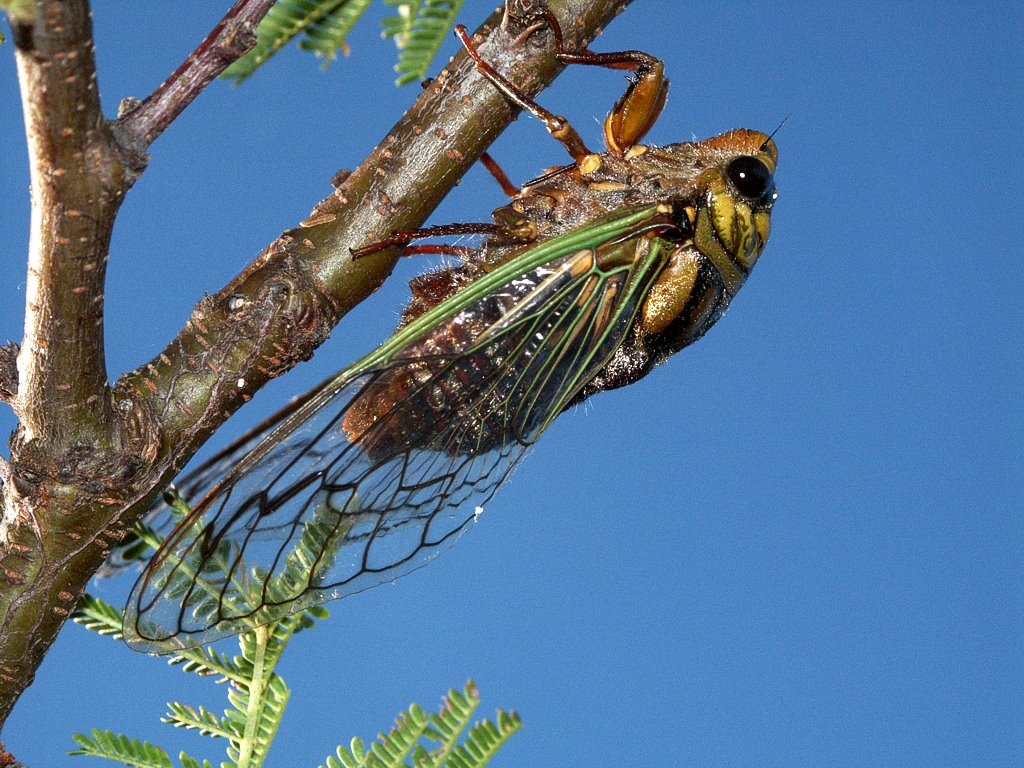
Cicada / Cigarra (Quesada gigas)


This insect is not well known partly because they mostly call from the tree tops as adults and then spend at least four years underground as immature insects feeding on tree roots. Static at low density but mobile at high density, males calling two or three times and then flying to another calling site.
Este insecto es poco conocido debido a que mayoritariamente cantan desde las copas de los árboles cuando son adultos y pasan alrededor de cuatro años en estadio larval bajo el suelo, en las raíces. Estáticas cuando se hallan en baja densidad poblacional, pero muy movedizas en grupos, los machos de esta especie cantan de dos a tres veces y luego vuelan hacia otro sitio.

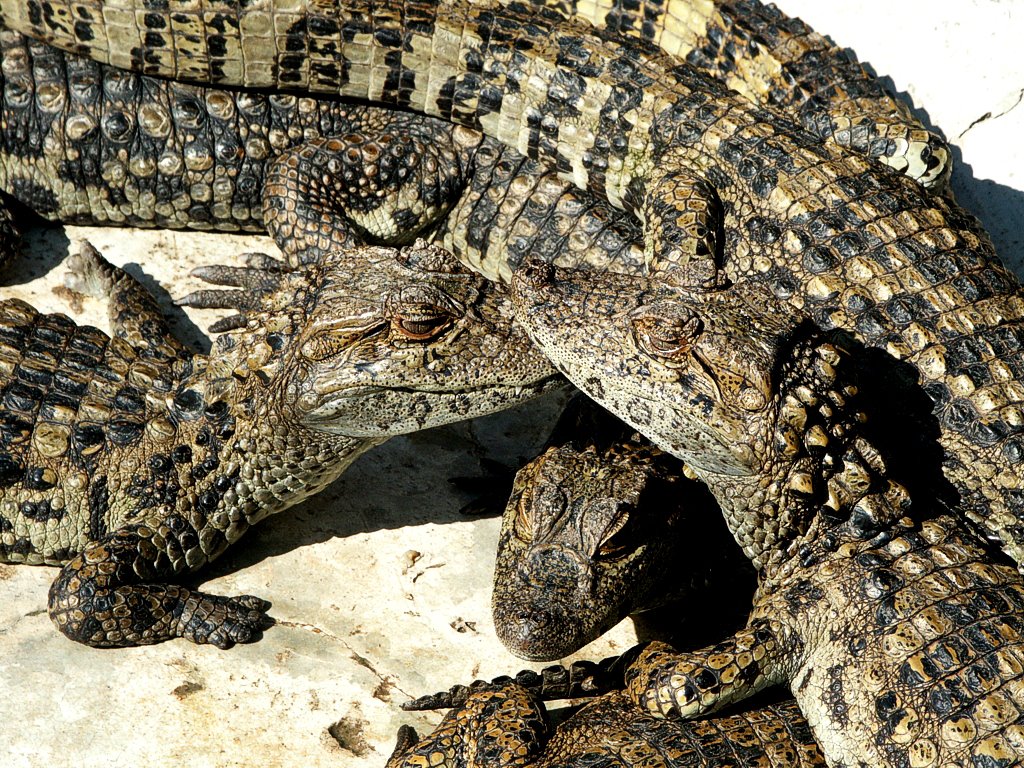
Caiman latirostris


The Caiman latirostris spends much of its time in the water. This is where it finds food - aquatic snails, crabs, and sometimes fish and snakes. But there are times when it is necessary to head for land, especially on the nesting season. A female mounds up a nest and lays between 21 and 38 eggs.

El Yacaré pasa la mayor parte de su tiempo en el agua. Es allí donde encuentra comida - caracoles acuáticos, cangrejos y a veces peces y serpientes. Pero existen épocas donde le es necesario dirigirse a la tierra, especialmente en la temporada de incubación de huevos. Una hembra puede desovar entre 21 y 38 de ellos.

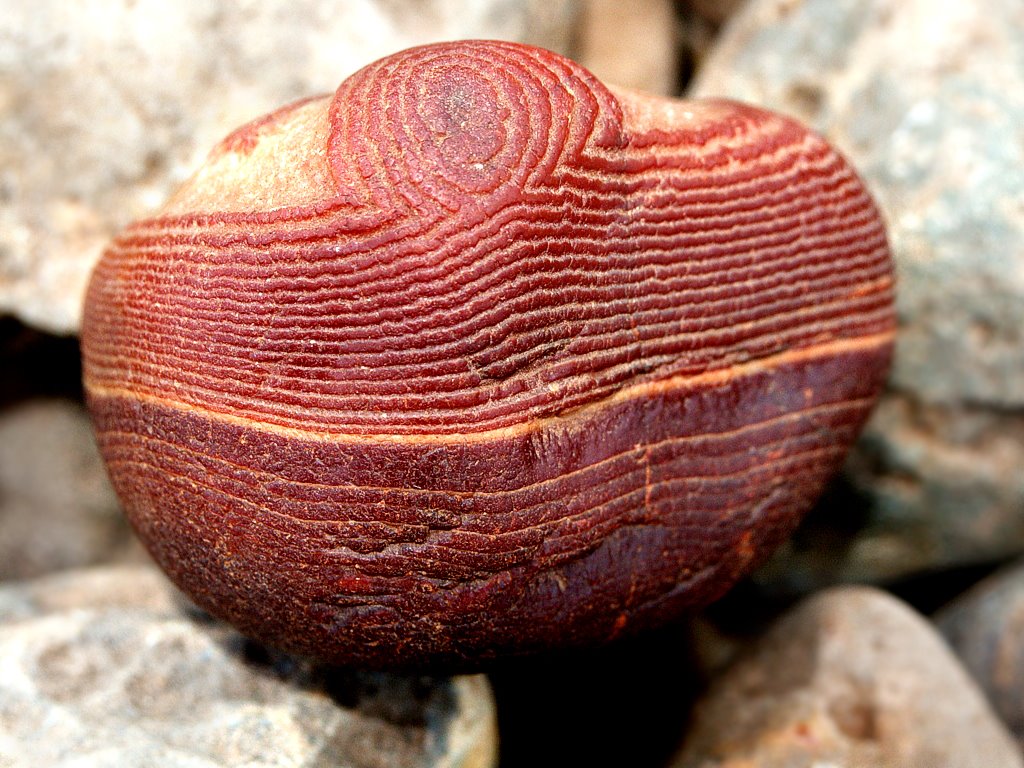
The eye of the Earth: agate stone / El ojo de la tierra: piedra Ágata


Most agates occur as nodules in volcanic rocks or ancient lavas where they represent cavities originally produced by the disengagement of volatile gases in the molten mass which were then filled, wholly or partially, by siliceous matter deposited in regular layers upon the walls. Several types of agates are currently known, among which the most common are those with bands that seem to have circumscribed the walls of the vesicles in which they formed. Most Uruguayan agates exhibit gravitational banding, that is, straight parallel banding, often called Uruguay banding. Consequently,agates with this banding are termed Uruguay agates.The designation “Uruguay agate” originated from the relatively frequent occurrence of such agates in the Paraná continental flood basalts in Brazil and adjoining parts of Uruguay, Paraguay, and Argentina. Gravitational banding results from the sedimentation of gelatinous silica particles in parallel layers, mostly at or near the bottom of vesicles.
La mayoría de las ágatas aparecen como nódulos en rocas volcánicas o lavas antiguas donde aparecen en cavidades o huecos originalmente producidos por la separación de gases volátiles en la masa derretida. Ésta fue eventualmente rellenada en forma parcial o total por material silíceo que se fue depositando en capas regulares sobre las paredes de la cavidad. Se conocen varios tipos de ágatas, entre las cuales las más comunes son aquellas con bandas que parecen haber circunscripto las paredes de las vesículas en las cuales se originaron. Muchas ágatas de Uruguay exhiben un bandeado gravitatorio; es decir, una serie de líneas paralelas denominadas "bandeado Uruguay". Como consecuencia todas las piedras que siguen este patrón son llamadas "Ágatas Uruguay"; derivado de la ocurrencia frecuente de estas piedras en los derrames basálticos Paraná ubicados en Brasil, áreas adjacentes de Uruguay, Paraguay y Argentina. El bandeado gravitacional resultó de la sedimentación de partículas de sílice gelatinosa en capas paralelas, la mayoría cercano o al fondo de las vesículas.