Oct 21, 2006

La Pedrera


Most of the rocks found in La Pedrera are among the oldest in the Americas. They were the floor of an ocean that was before the Atlantic Ocean was even formed. The rocks eventually became the two continents of South America and Africa.
Muchas de las rocas encontradas en La Pedrera están entre las más antiguas de las Américas. Eran el fondo de un océano que existía aún antes que el Océano Atlántico se formase. Las rocas eventualmente constituyeron los que hoy son los continentes Africano y Sudamericano.

Oct 18, 2006

Chirca (Dodonaea viscosa)


Dodonaea viscosa is a medium-sized shrub with one or several main trunks which have reddish-brown to blackish gray bark. The individual flowers are small, 1/4 inch in diameter, and occur in branched clusters. They are either male or female and only the female flowers develop into the decorative capsules.
Dodonea viscosa es un arbusto de tamaño mediano con uno o varios troncos de corteza marrón rojiza a negruzca. Las flores individuales son pequeñas, de 6,5 mm de diámetro y que aparecen en racimos. Son tanto masculinas como femeninas y solamente las hembras se desarrollan en cápsulas decorativas.

Pink trumpet tree / Lapacho (Tabebuia heptaphylla)


Pink Trumpet Tree can reach 50 feet and is covered with terminal panicles of pink to rose-purple, showy blossoms in spring.
El Lapacho puede alcanzar hasta los 15 metros de altura y está cubierto con panojas terminales de color rosáceo y púrpura ostentosas que aparecen durante la primavera.

Oct 16, 2006

Love flourishes among the Crested caracara / El amor prospera entre los Caranchos (Polyborus plancus)

The Crested Caracara is a resident breeder in South America and most of Central America, just reaching the southernmost parts of the USA, including Florida, where it is listed as threatened. This is a bird of open country, which nests in a tree or on the ground, laying 2 to 4 eggs. It is 58 cm long with a 125 cm wingspan.It also has long legs and frequently walks and runs on the ground. This species has bare skin around the eye that can change color in seconds. Sexes are similar, but immature birds have a brown back, buff neck and throat, and pale breast streaked with brown. It is omnivorous, and will eat reptiles, amphibians and other small animals as well as carrion. Individuals have also been observed both in the air and on the ground in urban areas near nature reserves.
El Carancho es un residente de Sudamérica y gran parte de Centroamérica, llegando incluso a las áreas sureñas de los EEUU, incuyendo la Florida donde se lo cataloga como especie amenazada. Esta es un ave de espacios abiertos, la cual nidifica sobre árboles o a nivel del suelo, incubando de 2 a 4 huevos. Alcanza los 58 cm de largo y hasta los 125 cm de ala a ala. También cuenta con patas largas y frecuentemente camina o corre en la tierra. Esta especie posee un parche de piel desnuda rodeando el ojo que puede cambiar de color en segundos. Los sexos son morfológicamente similares pero las crías presentan una coloración parda en la espalda, beige claro en el cuello y garganta y el pecho aún más pálido salpicado de manchas marrones. Su dieta es omnívora, alimentándose especialmente de reptiles, anfibios, pequeños animales y carroña. Se han observado individuos tanto en el aire como en la tierra en áreas urbanas cercanas a reservas naturales.

Black-necked swan / Cisne de cuello negro (Cygnus melancoryphus)


The smallest member in its genus, it is found in freshwater marshes, lagoon and lake shores in the southern South America. It also breeds in Patagonia, Tierra del Fuego and on the Falkland Islands. In the austral winter, this species migrates northwards to Paraguay and southern Brazil. Adults average 4.7 kg, 114 cm long and have a wingspan of about 177 cm. The body plumage is white with a black neck, head and greyish bill. It has a red knob near the base of the bill and white stripe behind eye. Both sexes are similar, with a slightly smaller female.
Es el más pequeño miembro de su género y habita en marismas de agua dulce, lagunas y costas de lagos en el sur de Sudamérica. También se cría en la Patagonia, Tierra del Fuego e islas Malvinas. Durante el invierno austral esta especie emigra al Paraguay y sur del Brasil. Los adultos promedian los 4.7 kg, 114 cm de largo y poseen un ancho de ala cercano a los 177 cms. El plumage corporal es blanco con la cabeza y el cuello negro y el pico agrisado. En la base del pico posee una protuberancia rojiza y una franja blanca detrás de los ojos. Ambos sexos son similares, aunque la hembra es un tanto más pequeña.

Native spider / Araña nativa


Villa Constitución, Salto.

Some mollusks found in Uruguay river / Algunos moluscos hallados en el Río Uruguay


Stick insect / Bicho palo (Anchocoema sp.)


Stick insects have taken the art of disguise to extremes. Their stem or leaf-like bodies and subtle colors make them almost indistinguishable from the foliage of their foodplants.
Los bichos palos han llevado el arte del disfraz al extremo. Sus cuerpos en forma de tallo y sus colores sutiles los hacen indistinguibles entre follage de las plantas de las que se alimentan.

Solanas beach / Playa Solanas (Maldonado)


The Uruguayan seashore is characterized by sandy beaches and coastal dunes which subtend between stony headlands, as Solanas cliffs. On Sierra Ballena, where orographic elements advance like a whale into the River Plate estuary, the waves have created caves, quite significant in size, called grottoes. Most of them are made up of quartzite, a sandstone which has been converted into a solid quartz rock.
La costa uruguaya está caracterizada por playas arenosas y dunas costeras que se extienden entre promontorios rocosos como los acantilados de Solanas. En la Sierra Ballena, donde los elementos orográficos avanzan como un cetáceo en las aguas salobres del Río de la Plata, las olas han socabado hendiduras y cavernas entre las rocas denominadas grottos. La mayorías de estas están compuestas por cuarzita, una piedra arenisca que se ha transformado en cuarzo sólido.

Firefly on exotic daisy / Luciérnaga sobre margarita exótica


Río Santa Lucía, Montevideo.

The dome of the sky displaying the Southern cross / La bóveda celestial mostrando a la Cruz del Sur


Centurión, Cerro Largo.

Indigenous flowers / Flores indígenas

Vernonia platensis

Ludwigia elegans


Sida Rhombifolia

Oct 15, 2006

Villa Constitución on the banks of River Uruguay / Villa Constitución a orillas del Río Uruguay


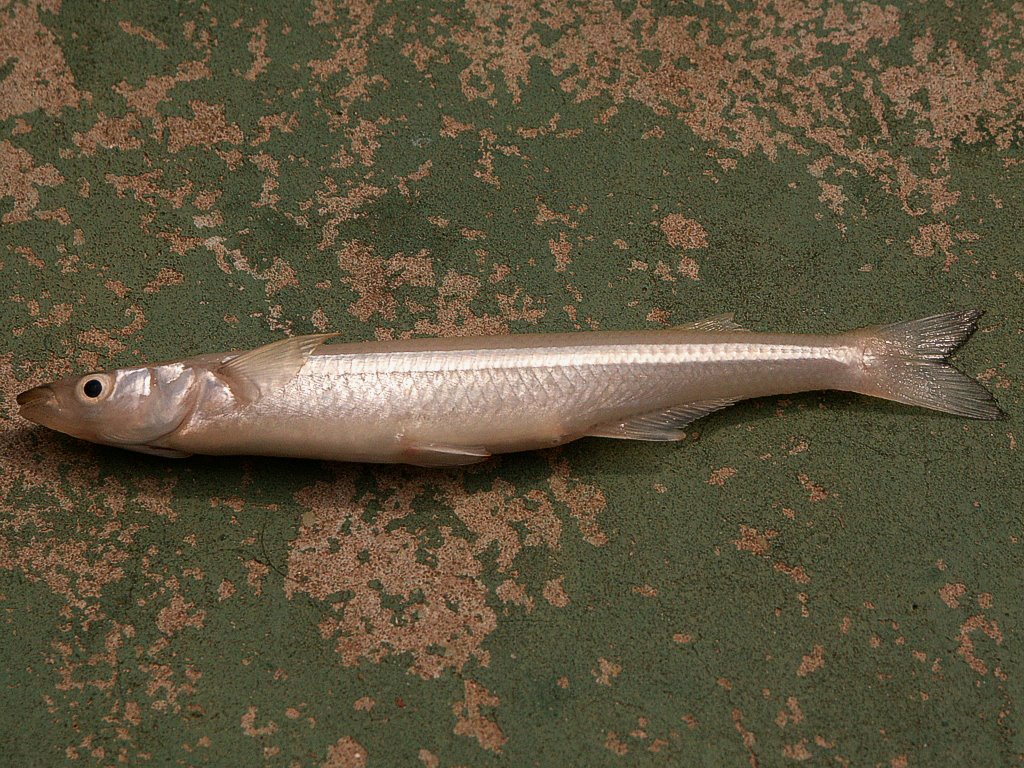
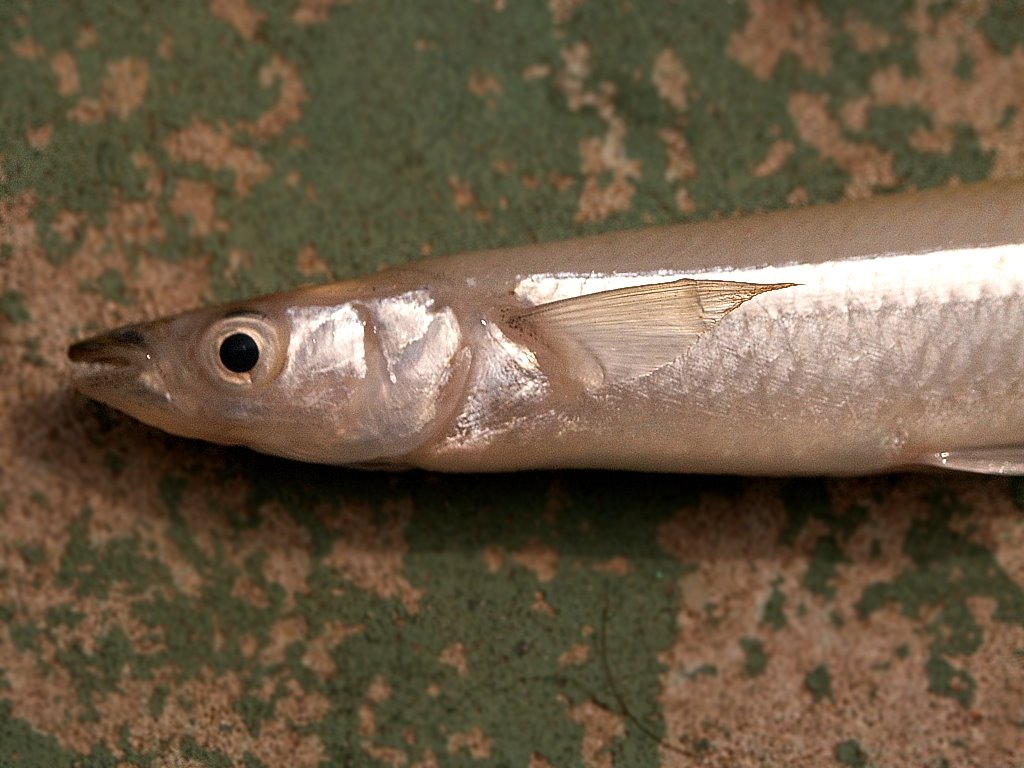
Fresh water Silver fish / Pejerrey de agua dulce (Odontesthes bonariensis)


Ground beetle / Escarabajo de tierra (Galerita collaris)


Carabidae is a large family of ground beetles, with more than 40,000 species worldwide. Most of them are carnivorous, and some will run swiftly to catch their prey. Although there is some variation in their body shape and coloring, most are shiny, black (some as the specimen shown are metallic), and have ridged elytra or wing covers.
Carabidae es una gran familia de escarabajos de tierra, con más de 40,000 especies alrededor del mundo. Muchas de ellas son carnívoras y algunas correrán rápidamente para alcanzar a sus presas. Pese a que hay variantes en su forma corporal y coloración, muchas de ellas son negras y brillantes (algunas como el espécimen mostrado son metálicas) y poseen élitros rígidos o cubiertas externas donde guardan sus alas.

Orb weaver / Araña tejedora (Nephila sp.)


Uruguay river, Salto.
Río Uruguay, Salto.

Southern sea lion / Lobo marino (Otaria flavescens)


Punta del Este, Maldonado.

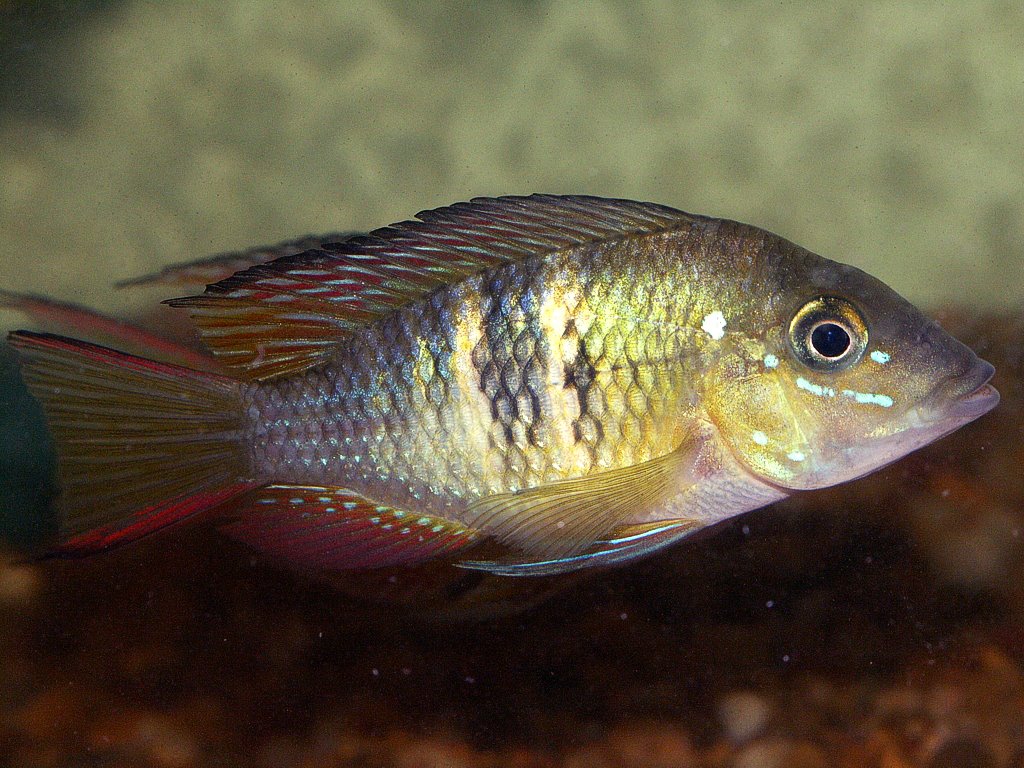
Uruguayan eartheater / Castañeta (Gymnogeophagus rhabdotus)


Gymnogeophagus rhabdotus is a cichlid native to the costal rivers of Uruguay and Southern Brazil. Males achieve a size of 11 cm and are olive-brown with red and blue dots which form stripes in the tail section. In the center of the body is a black blotch over a pale yellow area. The dorsal fin has a lot of sparkling blue and red colors. Red lines mark the lower and upper edge of the caudal fin. Females achieve a size of 8 cm and are colored the same as males but not as bright. When spawning, the color of both fish intensifies. Their bellies turn black and the yellow area around the central black blotch starts to "phosphoresce". The pair clean a round river rock together and dig few pits nearby. The female lays around 200 eggs on the stone and then the male fertilizes them. Then, the female cares for the eggs by fanning them all the time while the male defends spawning territory against intruders.
Gymnogeophagus rhabdotus es un cíclido nativo de los ríos costeros de Uruguay y el sur de Brasil. Los machos alcanzan un tamaño de 11 cm y son pardo-oliváceos con manchas rojas y azules que forman bandas en la sección caudal. En el centro del cuerpo poseen una mancha negra sobre un área amarillenta pálida. La cola dorsal está repleta de tonos azulados y rojizos iridiscentes. Líneas rojas marcan el borde superior e inferior de la cola. Las hembras poseen un tamaño de alrededor de 8 cm y su coloración es idéntica que la de los machos, pero no tan brillante. Durante el desove, ambos sexos exhiben una intensificación de sus colores. Sus vientres se vuelven negro y la zona amarillenta alrededor de la mancha oscura se torna "fosforescente". La pareja limpia una roca redondeada y efectúa algunos pozos entorno a ella. Eventualmente la hembra desova 200 huevos sobre ésta y el macho los fertiliza. Es entonces cuando ella se encarga de cuidarlos enviándoles una continua corriente con sus aletas caudales mientras el macho monta guardia en el territorio evitando el acercamiento de intrusos.

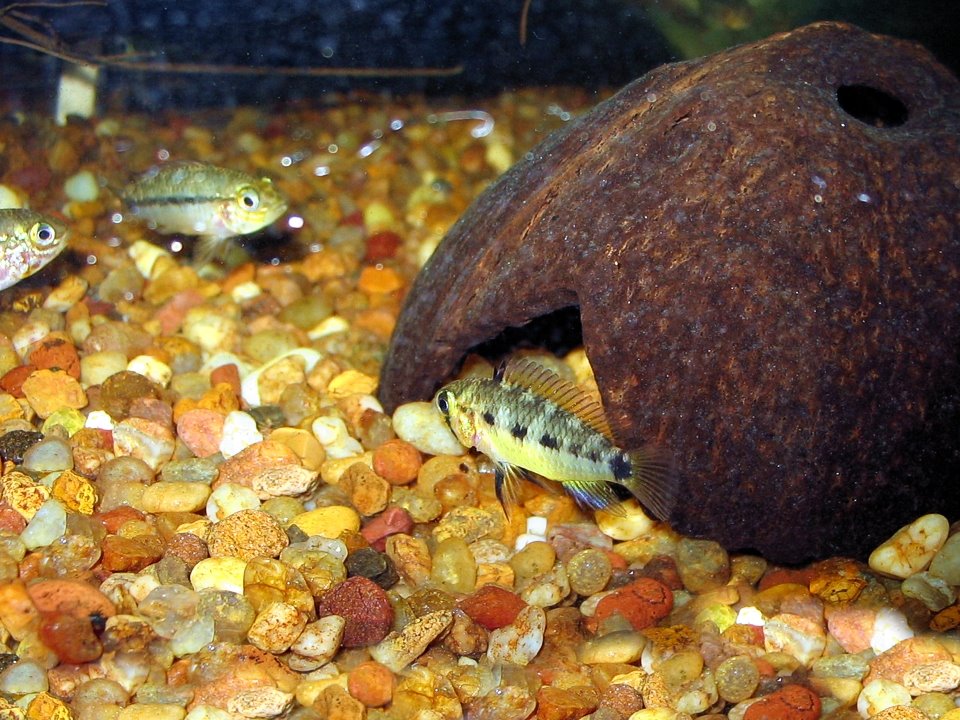
Apistogramma borellii


The Apistogramma borelli is a member of the Apistogramma or dwarf cichlid family. Its natural habitat is in the rivers of Uruguay and Argentina. As with many members of the family the pair retreats to their territory when spawning season begins and the eggs are deposited in a small cave. The female looks after the eggs, but both parents guard and defend their offspring. Like most parents, they have little patience to potential danger to their hatchlings.
El Apistogramma borelli es un miembro de los Apistogramas o enanos en la familia de los cíclidos. Su hábitat natural lo constituyen los ríos de Uruguay y Argentina. Como en muchos miembros de la familia, la familia se retira a su territorio cuando la época del desove comienza y los huevos son depositados en una pequeña oquedad. La hembra cuida los huevos pero son ambos padres quienes montan guardia para defender a los alevines. Y como muchos padres, carecen de paciencia ante la potencial amenaza de los mismos.

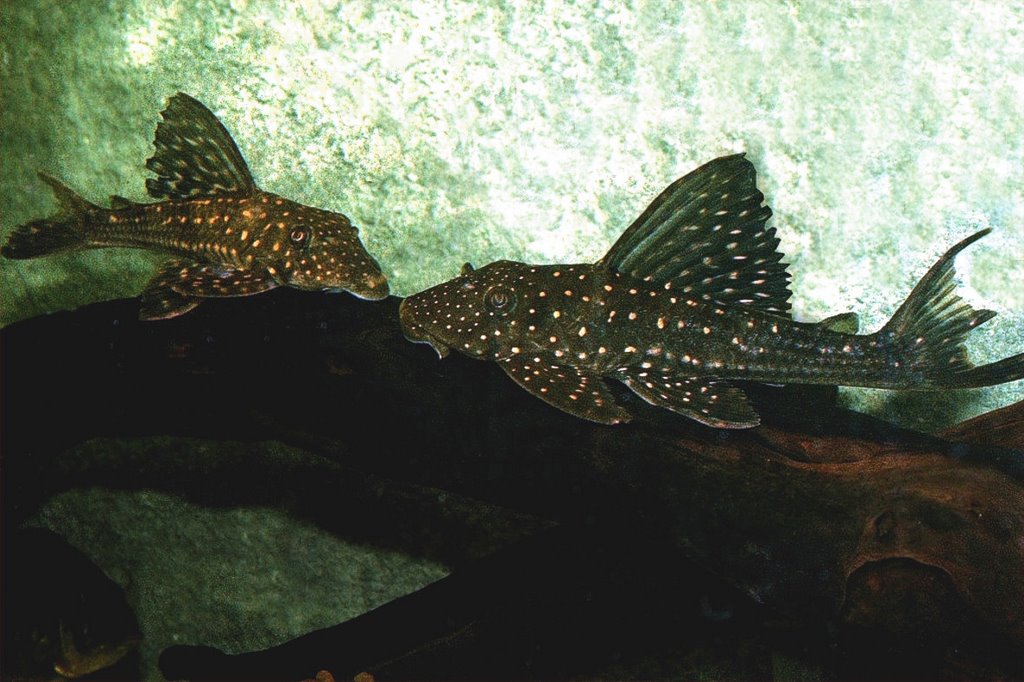
Sucker catfish / Viejas del agua (Loricaridae sp.)