Oct 8, 2006


Tetra / Mojarra (Astyanax abramis)
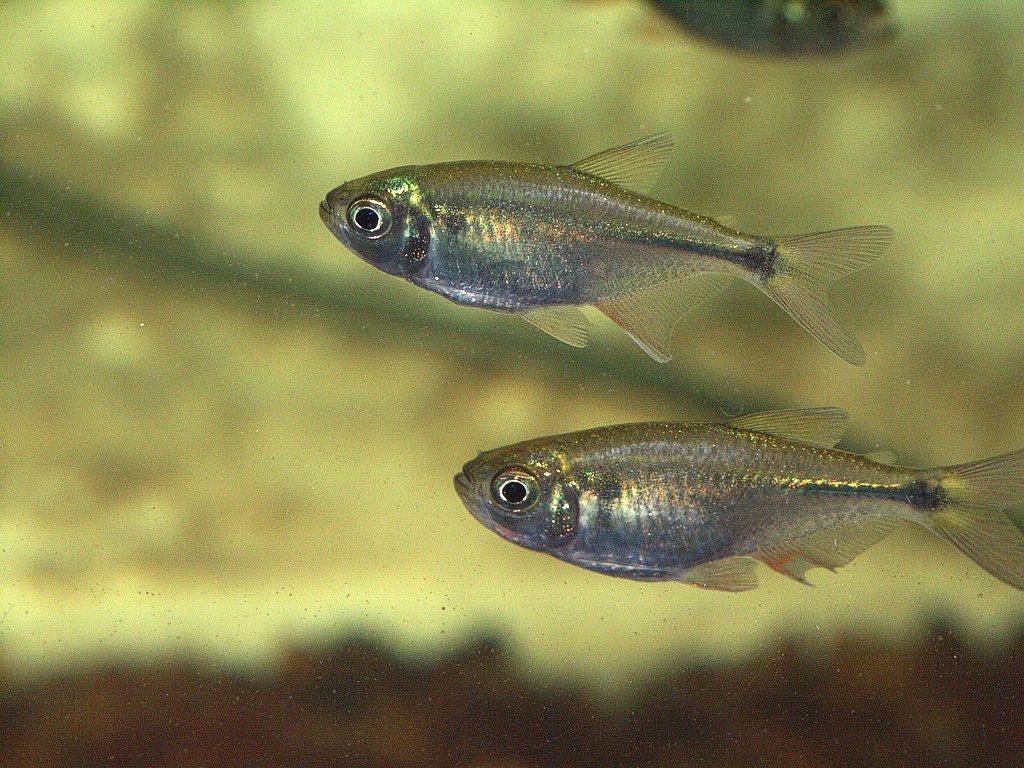
Astyanax is a genus of freshwater fish in the characin family (family Characidae). The roughly 100 Astyanax species are among the fishes known as tetras.
Astyanax es un género de peces de agua dulce de la familia de los carácidos (Characidae). Comprende alrededor de 100 especies de peces conocidos como mojarras o tetras.
Tetra / Mojarra (Hyphessobrycon erythrostigma)

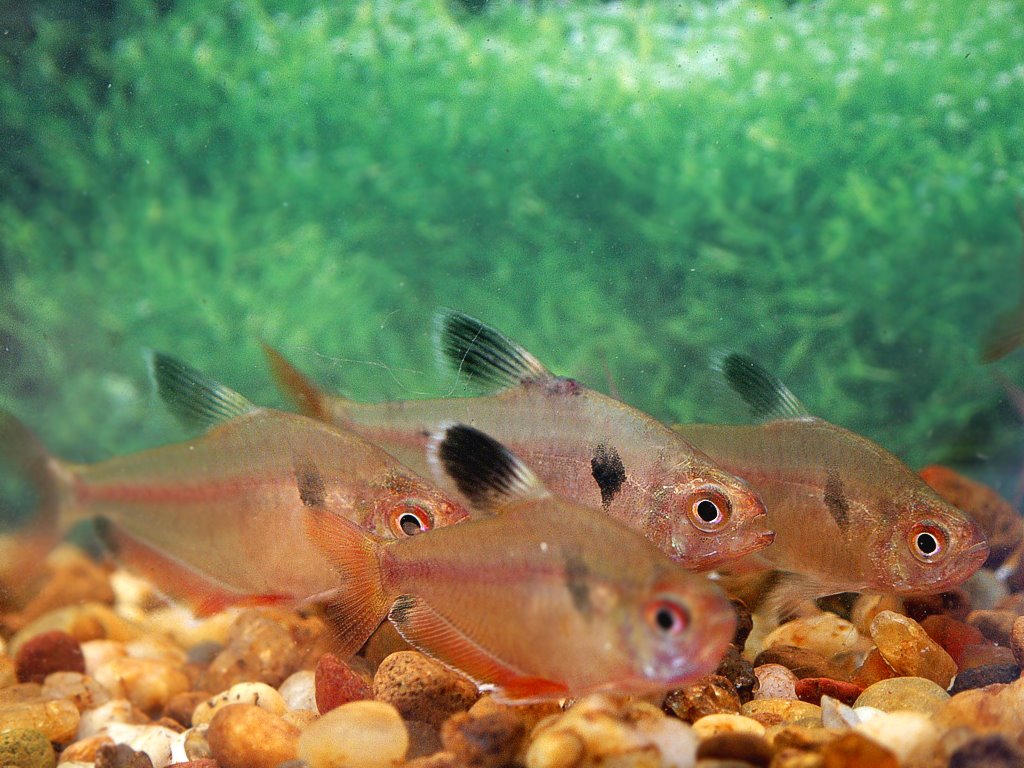
This fish is prized for the heart shaped spot near where you'd expect the heart to be. Several sub-species exist, including a long finned variety, as well as one that is gold tinted. All of them sport attractive fins edged in white and black, in addition to the characteristic bright red heart in the upper abdomen. They are a relatively peaceful fish suitable for community tanks. Males are slightly larger than females, and have elongated dorsal and anal fins.
Este pez se caracteriza por poseer una mancha en forma de corazón justamente donde se piensa que se halla el mismo. Existen varias subespecies , entre ellas una de cola de velo y otra totalmente dorada. Todas ellas presentan colas bordeadas en blanco y negro en adición con la mancha roja referida anteriormente. Son una especie relativamente pacífica, apta para peceras comunitarias. Los machos son levemente más grandes que las hembras y tienen aletas dorsales y anales más elongadas.
Cockspur coral tree / Ceibo (Erythrina cristagalli)
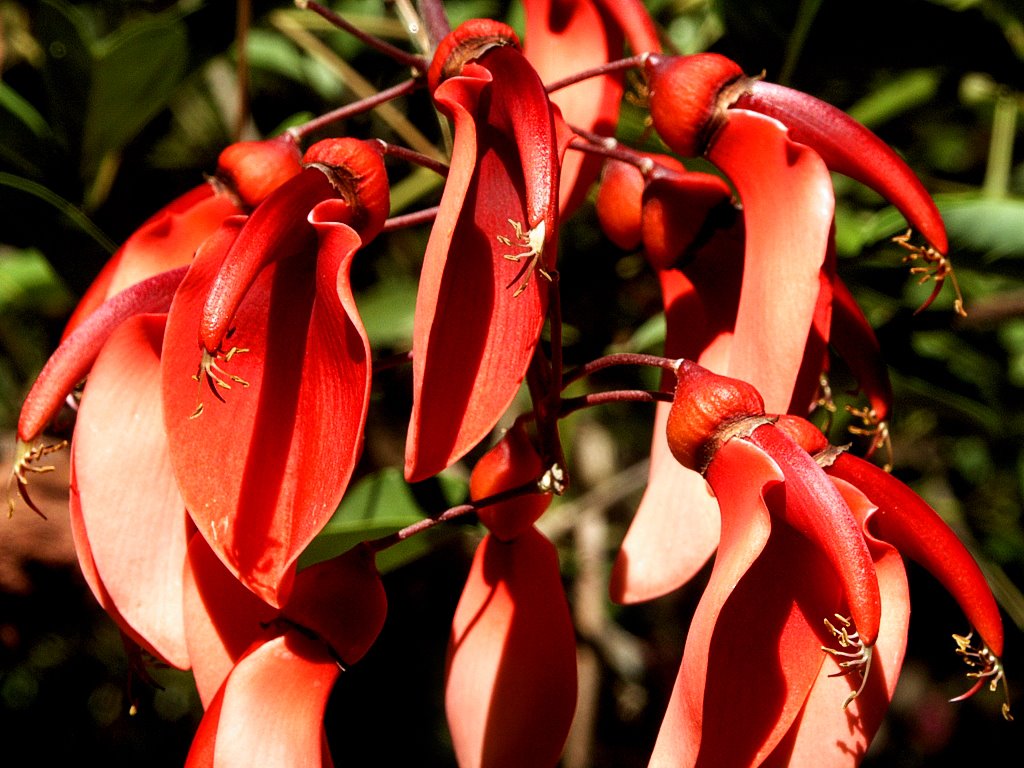

Erythrina cristagalli is a flowering tree in the family Fabaceae, native to Uruguay, Brazil, Argentina and Paraguay. The tree's flower is the national flower of Uruguay. It is also the official city tree of Los Angeles, California (where it is referred to simply as "the coral tree"). Erythrina cristagalli is a small tree, the girth of its trunk measuring 50 cm. Normally it grows 5–8 meters tall, although some, such as the ceibos on the banks of River Uruguay can grow up to 10 m. The species characteristically grows wild in gallery-forest ecosystems along water courses, as well as in swamps and wetlands. In urban settings, it often is planted in parks for its bright red flowers.
La Erthrina cristagalli es un florido árbol de la familia de las Fabáceas, nativo de Uruguay, Brasil, Argentina y Paraguay. La suya es la flor nacional de Uruguay. Es también considerado el árbol oficial de Los Angeles, California (dónde se lo llama comúnmente "árbol de coral". Es pequeño, siendo el diámetro de su tronco no más de 50 cm. Normalmente tiene de 5 a 8 metros de altura, aunque algunos en las orillas del Río Uruguay pueden llegar a los 10 metros. Esta especie crece naturalmente en ecosistemas de bosques galería, bañados y pantanos. En las ciudades se lo suele plantar en parques por su brillante y roja floración.

Gliding across Solanas sky / Volando sobre los cielos de Solanas

Solanas beach, Punta del Este.
Playa Solanas, Punta del Este.
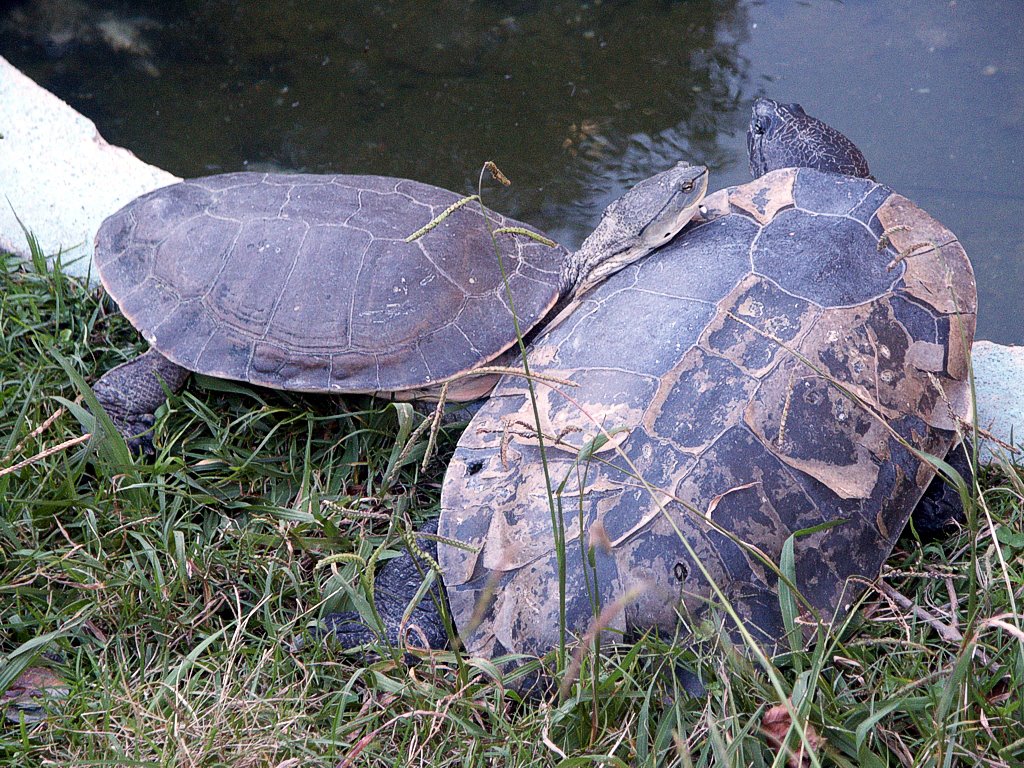
Hilaire's spotted-bellied toad-headed turtles / Tortugas campanita (Phrynops hilarii)


 The genus Phrynops only comprises 4 species, Phrynops hilarii's being one of the best known. It has a flat shell which is particularly noticeable between the second and third bridge. Specimens are usually olive gray though some are slightly brownish. The plastron is orange-yellow exhibiting small dots and gray circular patterns. The head is rather large and flattened which reminds of a snake or a toad. It presents a thin black line crossing the upper half of neck and all the way through the eyes. The lower half has a whitish color with some small dark lines or dots. Below the mouth are two short but rather thick white whiskers. The neck is very long and can be contracted to the side of the shell (a distinctive characteristic of all turtles of this family).
 El género Phrynops se divide actualmente en tan solo 4 especies, siendo Phrynops hilarii una de las más conocidas.Tiene un caparazón muy aplanado, bastante deprimido entre la 2a y 3a placa vertebral. Es de color gris oliváceo uniforme (algunas veces adquiere tonos más bien marrones), sin manchas ni dibujos. El plastrón es de color amarillo-anaranjado con pequeñas manchas y dibujos circulares de color grisáceo. Su cabeza es bastante grande y aplanada, recordando a la de una serpiente o también a la de un sapo. Es de color amarillento en su mitad superior, con una fina raya negra que la cruza a media altura, pasando por en medio de los ojos (que al tener también una pequeña franja negra hacen que no se interrumpa). La mitad inferior es de color claro, prácticamente blanco, con alguna pequeña raya o con pequeños puntos negros. Debajo de su boca observamos dos barbillones cortos pero bastante gruesos. Su cuello es muy largo y lo retrae de forma lateral a su caparazón (al igual que t odas las tortugas de esta familia).
Gymnogeophagus labiatus (male / macho)
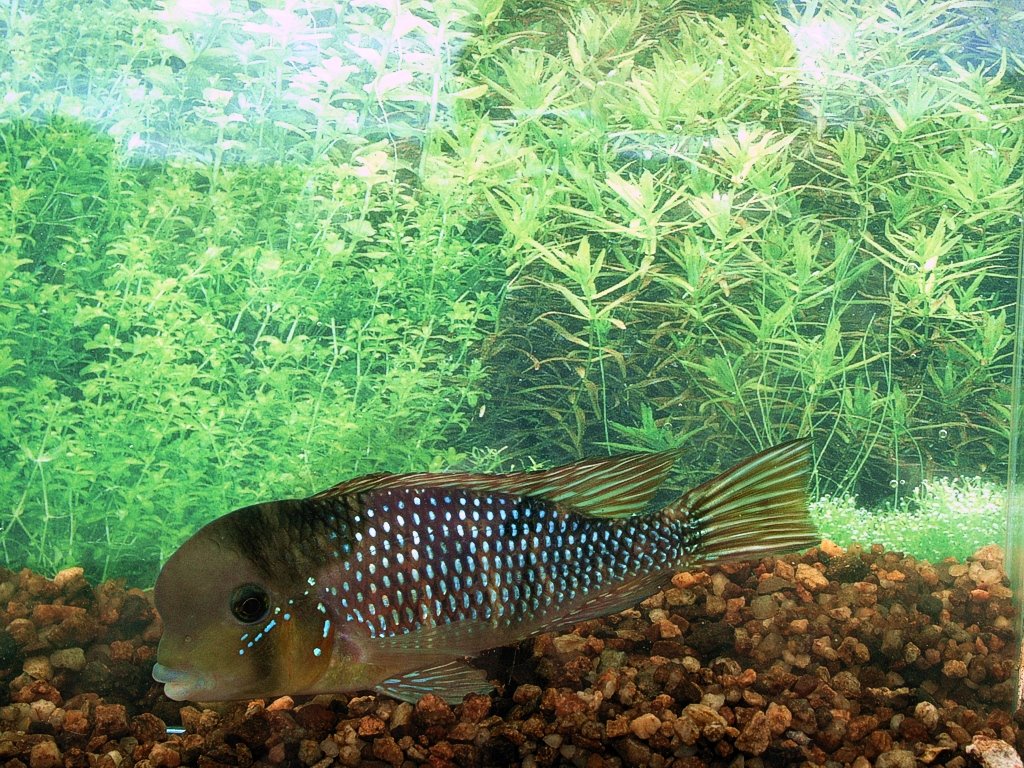
G. labiatus inhabits fast flowing water, whose bottom is covered with large rocks and coarse gravel. These fishes are very timid in the wild and lead a relatively reclusive life close to the substrate. The specimen above was caught in the Centurion River, a tributary of the Yaguarón River system in the border between Brasil and Uruguay, some 500 km northeast of Montevideo.
El G. Labiatus habita cursos de agua de corriente relativamente rápida cuyo fondo está cubierto con rocas grandes y grava. Estos peces son muy tímidos en estado salvaje y llevan una vida recluída cerca del substrato. El espécimen de arriba fue atrapado en el arroyo Centurión, un tributario del Río Yaguarón en la frontera entre Brasil y Uruguay, a unos 500 km al noroeste de Montevideo.

Cicada / Cigarra (Quesada gigas)
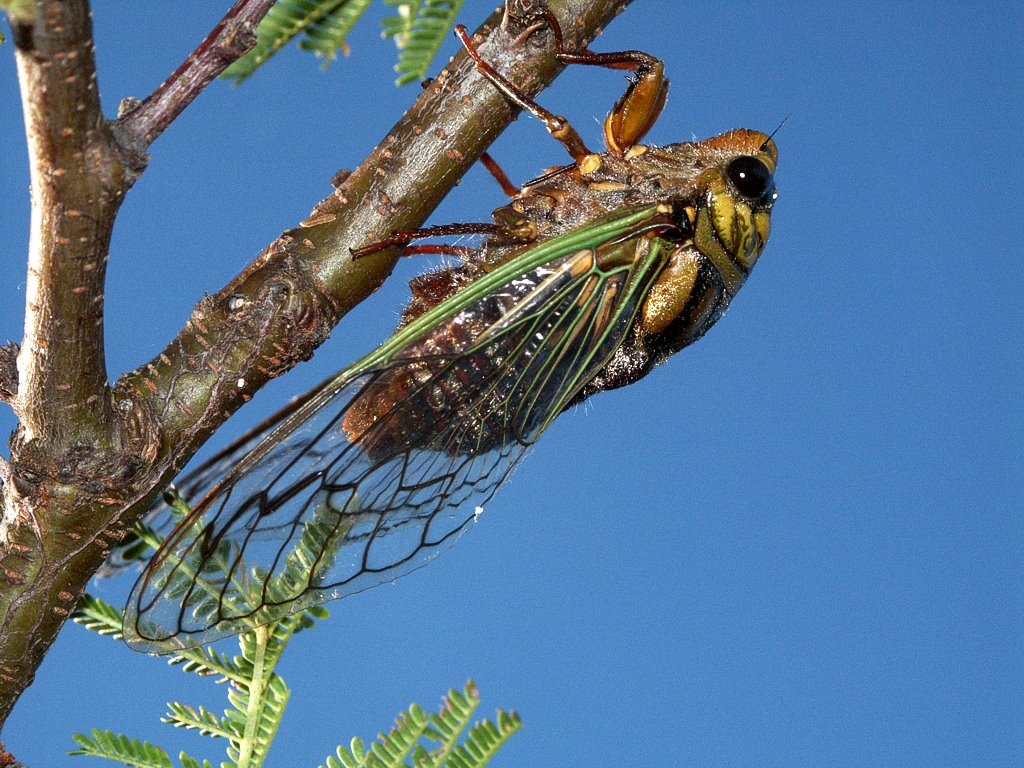
This insect is not well known partly because they mostly call from the tree tops as adults and then spend at least four years underground as immature insects feeding on tree roots. Static at low density but mobile at high density, males calling two or three times and then flying to another calling site.
Este insecto es poco conocido debido a que mayoritariamente cantan desde las copas de los árboles cuando son adultos y pasan alrededor de cuatro años en estadio larval bajo el suelo, en las raíces. Estáticas cuando se hallan en baja densidad poblacional, pero muy movedizas en grupos, los machos de esta especie cantan de dos a tres veces y luego vuelan hacia otro sitio.
Caiman latirostris

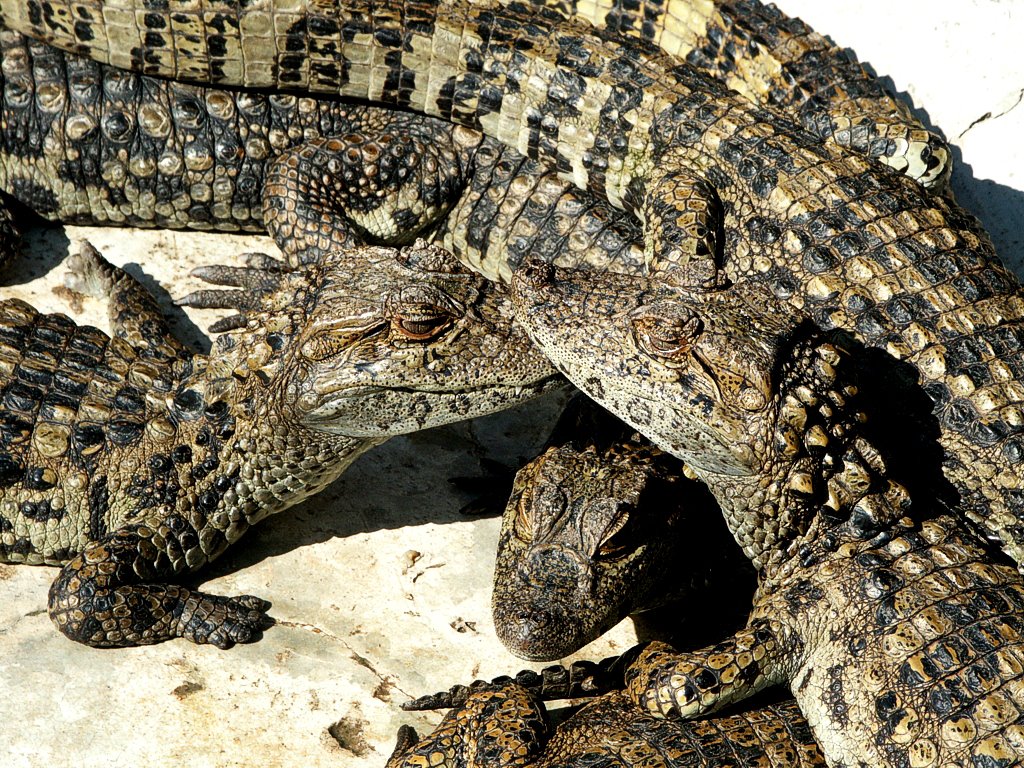
The Caiman latirostris spends much of its time in the water. This is where it finds food - aquatic snails, crabs, and sometimes fish and snakes. But there are times when it is necessary to head for land, especially on the nesting season. A female mounds up a nest and lays between 21 and 38 eggs.
El Yacaré pasa la mayor parte de su tiempo en el agua. Es allí donde encuentra comida - caracoles acuáticos, cangrejos y a veces peces y serpientes. Pero existen épocas donde le es necesario dirigirse a la tierra, especialmente en la temporada de incubación de huevos. Una hembra puede desovar entre 21 y 38 de ellos.
The eye of the Earth: agate stone / El ojo de la tierra: piedra Ágata

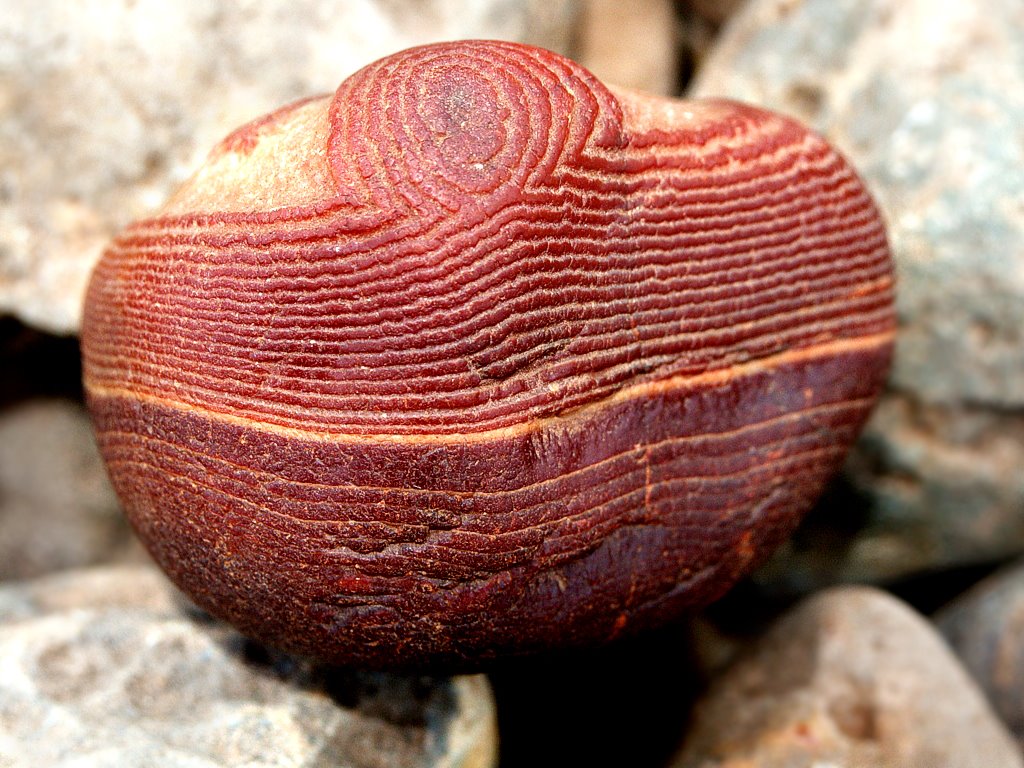
Most agates occur as nodules in volcanic rocks or ancient lavas where they represent cavities originally produced by the disengagement of volatile gases in the molten mass which were then filled, wholly or partially, by siliceous matter deposited in regular layers upon the walls. Several types of agates are currently known, among which the most common are those with bands that seem to have circumscribed the walls of the vesicles in which they formed. Most Uruguayan agates exhibit gravitational banding, that is, straight parallel banding, often called Uruguay banding. Consequently,agates with this banding are termed Uruguay agates.The designation “Uruguay agate” originated from the relatively frequent occurrence of such agates in the Paraná continental flood basalts in Brazil and adjoining parts of Uruguay, Paraguay, and Argentina. Gravitational banding results from the sedimentation of gelatinous silica particles in parallel layers, mostly at or near the bottom of vesicles.
La mayoría de las ágatas aparecen como nódulos en rocas volcánicas o lavas antiguas donde aparecen en cavidades o huecos originalmente producidos por la separación de gases volátiles en la masa derretida. Ésta fue eventualmente rellenada en forma parcial o total por material silíceo que se fue depositando en capas regulares sobre las paredes de la cavidad. Se conocen varios tipos de ágatas, entre las cuales las más comunes son aquellas con bandas que parecen haber circunscripto las paredes de las vesículas en las cuales se originaron. Muchas ágatas de Uruguay exhiben un bandeado gravitatorio; es decir, una serie de líneas paralelas denominadas "bandeado Uruguay". Como consecuencia todas las piedras que siguen este patrón son llamadas "Ágatas Uruguay"; derivado de la ocurrencia frecuente de estas piedras en los derrames basálticos Paraná ubicados en Brasil, áreas adjacentes de Uruguay, Paraguay y Argentina. El bandeado gravitacional resultó de la sedimentación de partículas de sílice gelatinosa en capas paralelas, la mayoría cercano o al fondo de las vesículas.
La mayoría de las ágatas aparecen como nódulos en rocas volcánicas o lavas antiguas donde aparecen en cavidades o huecos originalmente producidos por la separación de gases volátiles en la masa derretida. Ésta fue eventualmente rellenada en forma parcial o total por material silíceo que se fue depositando en capas regulares sobre las paredes de la cavidad. Se conocen varios tipos de ágatas, entre las cuales las más comunes son aquellas con bandas que parecen haber circunscripto las paredes de las vesículas en las cuales se originaron. Muchas ágatas de Uruguay exhiben un bandeado gravitatorio; es decir, una serie de líneas paralelas denominadas "bandeado Uruguay". Como consecuencia todas las piedras que siguen este patrón son llamadas "Ágatas Uruguay"; derivado de la ocurrencia frecuente de estas piedras en los derrames basálticos Paraná ubicados en Brasil, áreas adjacentes de Uruguay, Paraguay y Argentina. El bandeado gravitacional resultó de la sedimentación de partículas de sílice gelatinosa en capas paralelas, la mayoría cercano o al fondo de las vesículas.
Sunset on the banks of Uruguay river / Puesta de sol a orillas del Río Uruguay
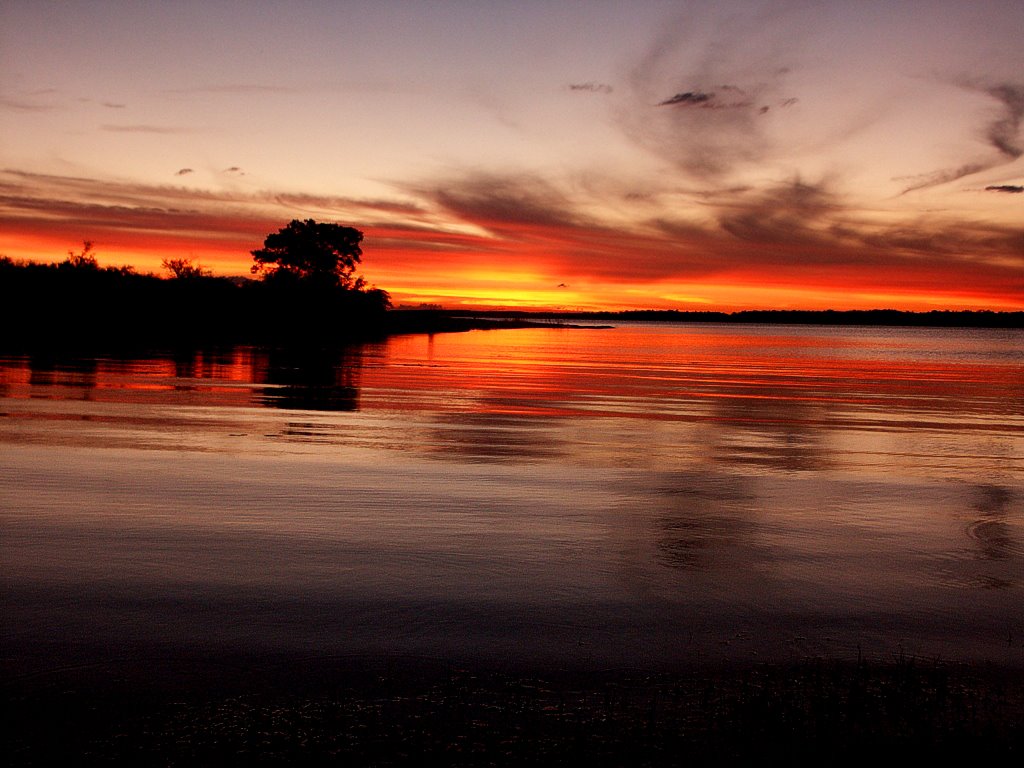


The Uruguay is the youngest river of the Plata watershed. Its waters flow over igneous extrusive rocks (in the form of lava beds) from Mesozoic and Neo-Paleozoic deposited in subhorizontal spills at depths varying from 300 to 1,000 m.
El Río Uruguay es el más jóven de la cuenca del Plata. Sus aguas fluyen sobre rocas ígneas extrusivas (en forma de depósitos de lava) del Mesozoico y Neo-Paleozoico, depositadas en derrames subhorizontales que varían entre 300 y 1,000 metros de profundidad.

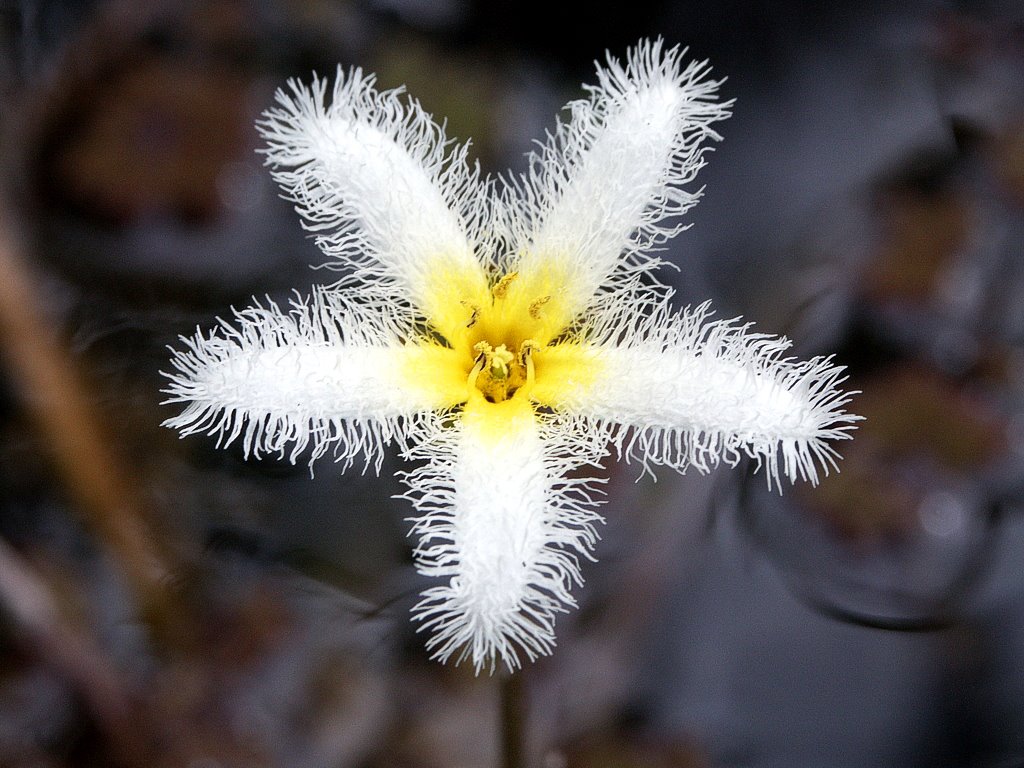
Camalotillo (Nymphoides Indica)

This is a pretty fast-growing, perennial water plant. It has flat, rounded, floating leaves, and delicate white and yellow flowers appearing in summer.
Esta es una planta acuática de crecimiento bastante rápido. Tiene hojas flotantes planas y redondeadas y flores blanco-amarillentes plumosas que aparecen en el verano.
Schizodon nasutus

This migratory fish commonly known as "Boga" is endemic of Paraná, Paraguay, and Uruguay River basins.
Este pez migratorio conocido comúnmente como "Boga" es endémico de las cuencas de los ríos Paraná, Paraguay y Uruguay.
Serrasalmus spilopleura
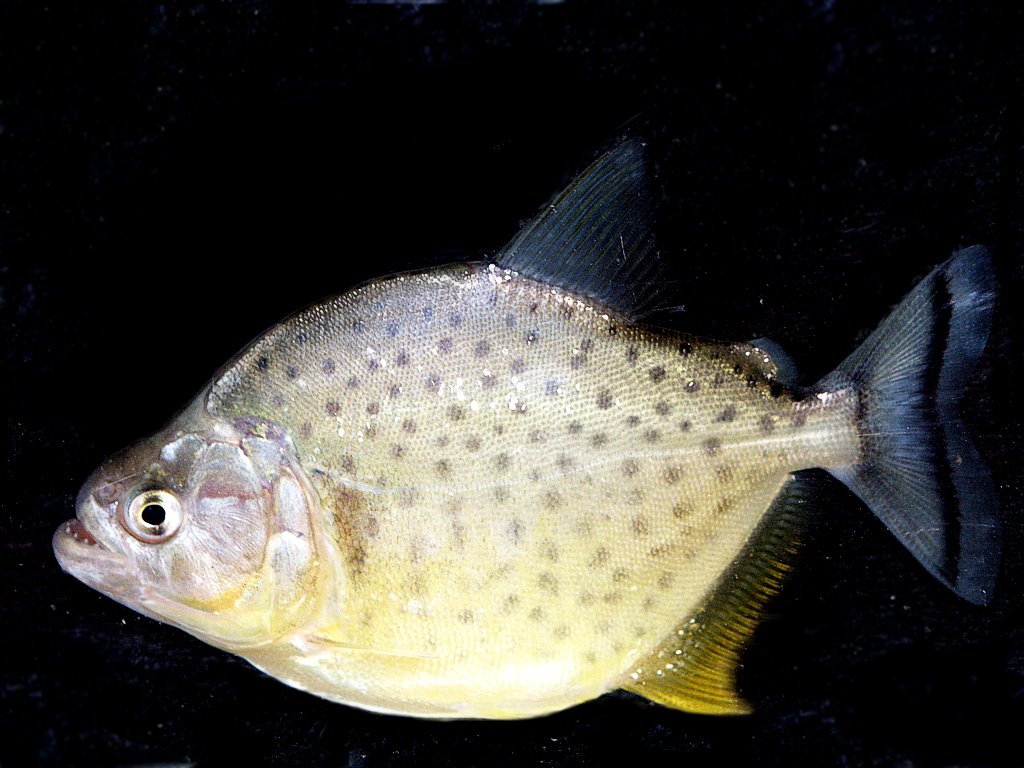
This species of piranha is frequently seen in Uruguay river. It has a silverish coloration, often with hints of green towards the upper body. They are covered with numberous small dark spots and have a very concave head shape. The older this fish gets, the more convex the shape of the head gets. The usual color is bright gold to yellow in the lower body, changing to a silverish yellow the further you get to the back.
Esta especie de piraña es frecuentemente vista en el Río Uruguay. Posee una coloración plateada, usualmente con tonos verdosos en la parte superior del cuerpo. Están cubiertas de pequeñas manchas y su cabeza es muy cóncava. Cuanto más maduro es el espécimen, más tiende a tomar esta forma. El color usual en el vientre es dorado, cambiando gradualmente al amarillo grisáceo a medida que se avanza al dorso.

Vanessa carye
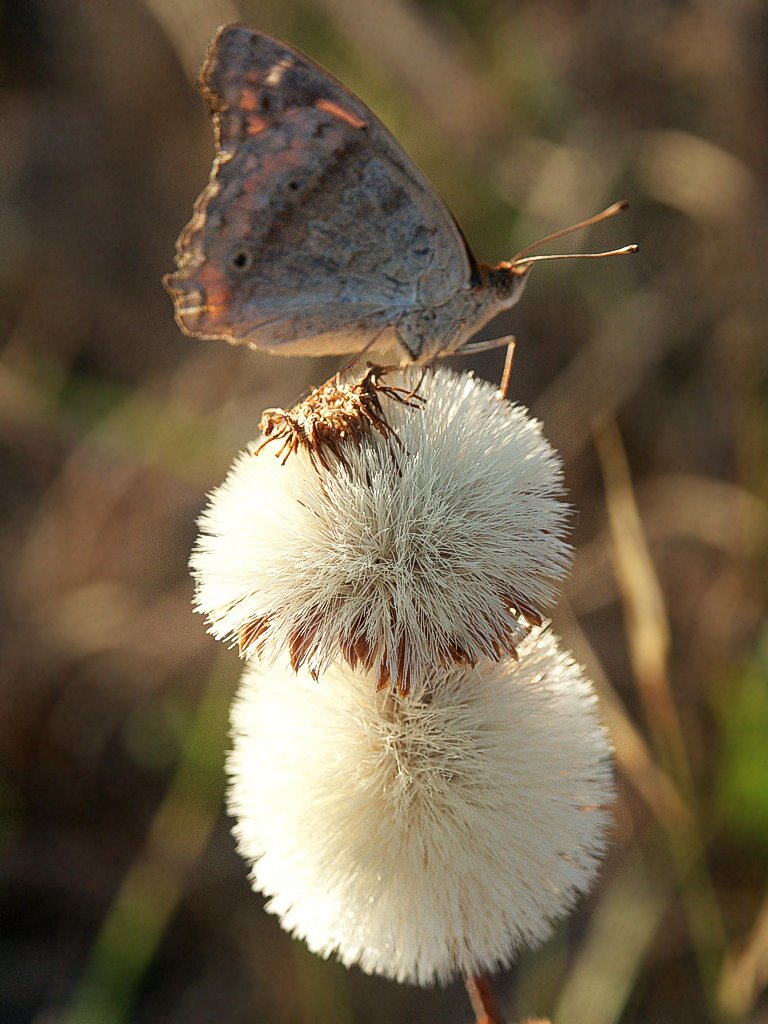
The name of this genus may have been taken from the girl's name. Though it has been suggested the name may be a variant of "Phanessa", from an Ancient Greek word for a mystic divinity, this is unlikely. The name of the divinity is actually not "Phanessa" but Phanes. Johan Christian Fabricius, the entomologist who named this genus, normally used the original forms of the names of Classical divinities when he created new scientific names.
El nombre de este género puede haber sido tomado del de una chica. Pese a que se ha sugerido que derivaría de una variante de "Phanessa"; una palabra del griego antiguo para una divinidad mística, esto resulta ser poco probable. Éste no sería en realidad "Phanessa" sino Phanes. Johan Christian Fabricius, el entomólogo autor de tal clasificación, normalmente empleaba nombres originales de divinidades clásicas cuando creaba nuevos nombres científicos.
Pueblo Constitución, Salto.
El nombre de este género puede haber sido tomado del de una chica. Pese a que se ha sugerido que derivaría de una variante de "Phanessa"; una palabra del griego antiguo para una divinidad mística, esto resulta ser poco probable. Éste no sería en realidad "Phanessa" sino Phanes. Johan Christian Fabricius, el entomólogo autor de tal clasificación, normalmente empleaba nombres originales de divinidades clásicas cuando creaba nuevos nombres científicos.
Pueblo Constitución, Salto.
Summer night sky lit by the Crescent Moon, Jupiter and fireflies / Cielo nocturno de verano iluminado por la luna creciente, Júpiter y luciérnagas
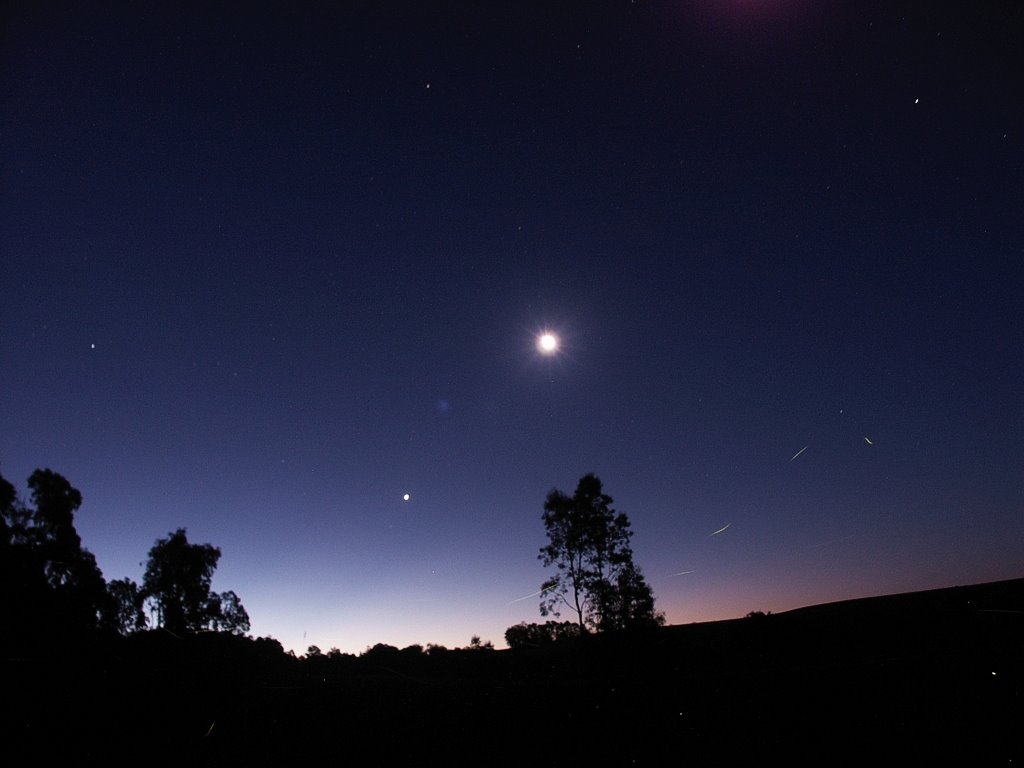
This shot was taken at Centurión, a tiny and remote town near the Brazilian border.
Esta foto fue tomada en Centurión, un pueblo pequeño y remoto cercano a la frontera con Brasil.
Apr 24, 2005
Snowy egret / Garcilla Blanca (Egretta thula)
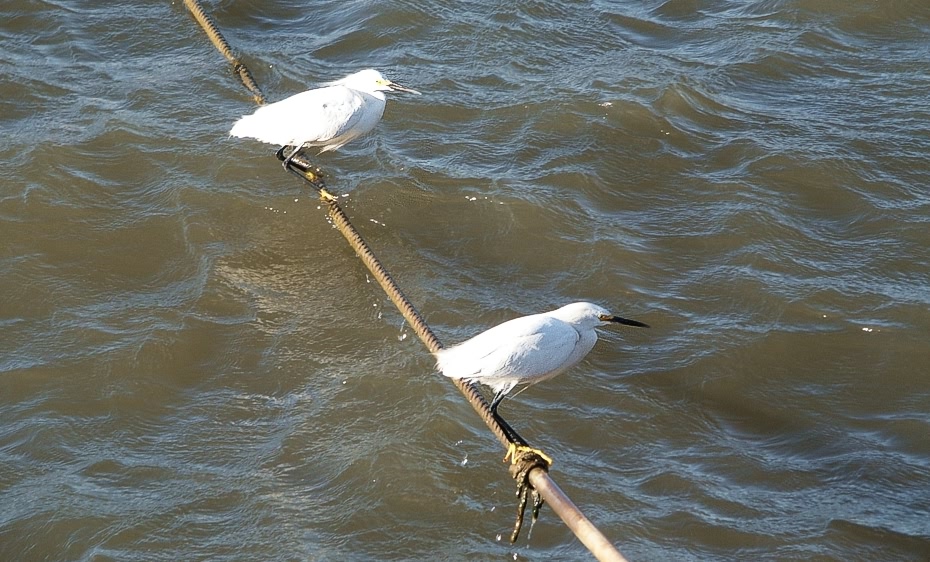
Egretta thula is a medium-sized heron with a delicate build. Adult egrets generally measure between 56 to 66 cm and have a wingspan of approximately 100 cm. Egrets average 370 g in weight and the males tend to be slightly larger than the females. Egretta thula has entirely white plumage, a long, slender black bill, and long, slender black legs with bright yellow feet. Eyes are yellow. Breeding adults develop long, delicate plumes off their breast and are also characterized by their change in foot color, from yellow to orange. There are no overall differences in appearance between breeding populations, however, populations studied in North America and Central America are found to have a larger bill than egrets of South America.
La garcilla blanca es una ave de porte mediana. Los adultos miden generalmente entre 56 y 66 cm y 100 cm de ala alzada. Poseen un promedio de 370 g de peso y los machos tienden a ser levemente más pesados que las hembras. Su plumaje es netamente blanco con pico negro y delgado, patas negras y extremidades amarillas. Los adultos sexualmente maduros desarrollan plumas que sobresalen del pecho y se caracterizan por presentar patas de un tono anaranjado. No existen diferencias en apariencia entre las poblaciones de estas garcillas del hemisferio sur con las del hemisferio norte. No obstante, aquellas que fueron estudiadas en norte y centroamérica presentaron un pico más prolongado que sus pares de sudamérica.
Wild prairie flower / Flor silvestre de pradera
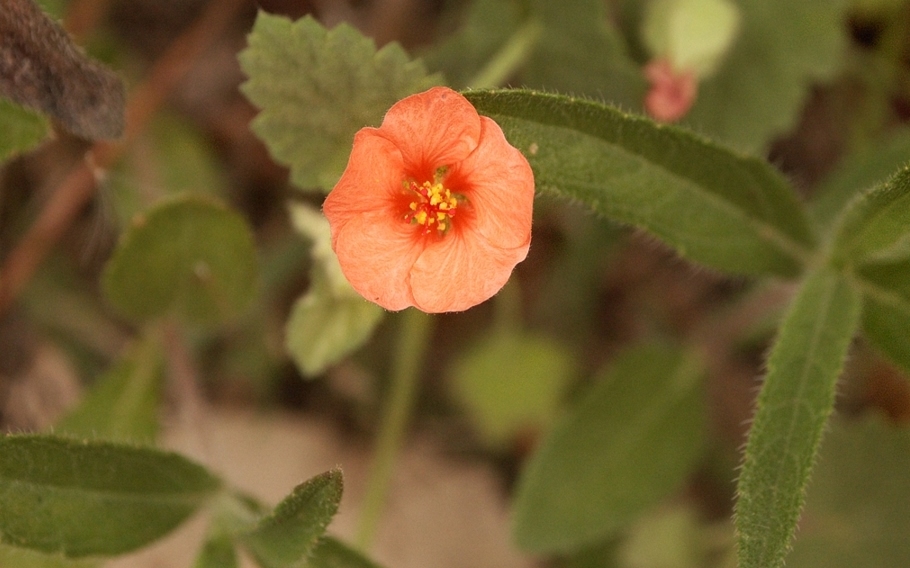
Uruguay´s highly complex and biologically diversified climax vegetation consists of prairie grasslands in which lawn and creeping grass varieties prevail. These comprise overall approximately 2,500 different species, distributed in over 80 families, including more than 400 species from the graminaceae family. Despite the impact of grazing by cattle, sheep and horses over the past three centuries, the native grassland has shown a remarkable capacity to adapt and retain its biological and economic sustainability. In the past, the prairies formed the principal pillar of Uruguay’s economic development as well as of its social and political history. Even today, native pasture still accounts for over 80% of land use and remains as important as ever for Uruguay’s export trade (meat, wool, leather and dairy).
La compleja biodiversidad de la vegetación de Uruguay comprende principalmente a especies de pradera en las cuales dominan los pastos y plantas rastreras. Existen alrededor de 2,500 especies distribuídas en más de 80 familias entre las que se incluyen 400 especies de la familia de las gramíneas. Pese al impacto del ganado en el transcurso de los tres últimos siglos, la pradera nativa ha demostrado una sorprendente capacidad para adaptarse, reteniendo su sustentabilidad biológica y económica. En el pasado las praderas constituían el pilar principal del desarrollo económico del país, así como de historia social y política. Aún hoy las pasturas nativas representan el 80% de la tierra y son de vital importancia para la exportación de carne, lana, cueros y lácteos.


Macrosiphonia petraea
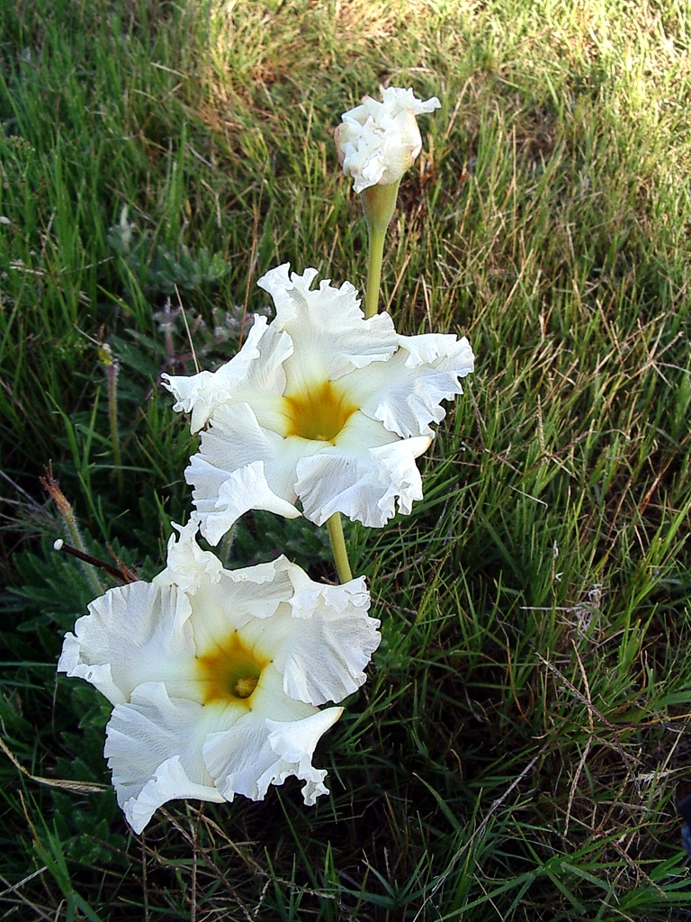
Macrosiphonia petraea usually occurs at the foot of sunlit hills. Its stems and the upper side of leaves are fully covered by fine hair while its flowers are white, funnel-shaped with five petals which open at dusk. It blooms in summer.
Macrosiphonia petraea usualmente crece al pie de las sierras soleadas. Sus tallos y el envés de las hojas están cubiertos de pelos finos mientras que sus flores son blancas, en forma de embudo con cinco pétalos que se abren al atardecer. Florece en el verano.
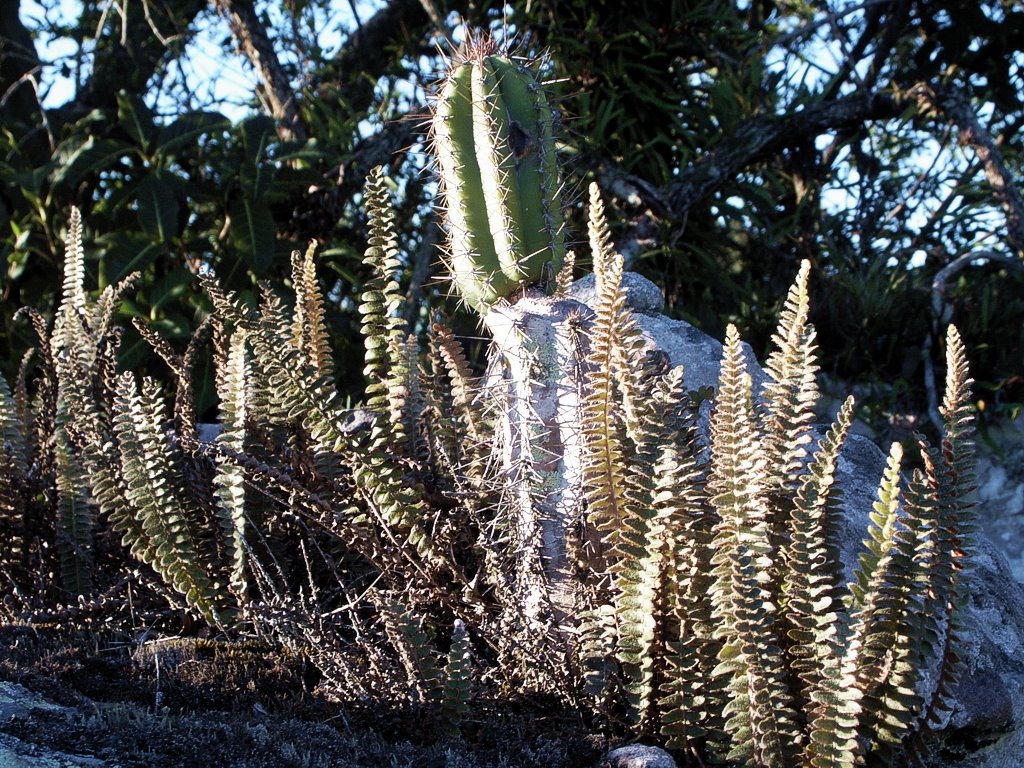
Apr 16, 2005
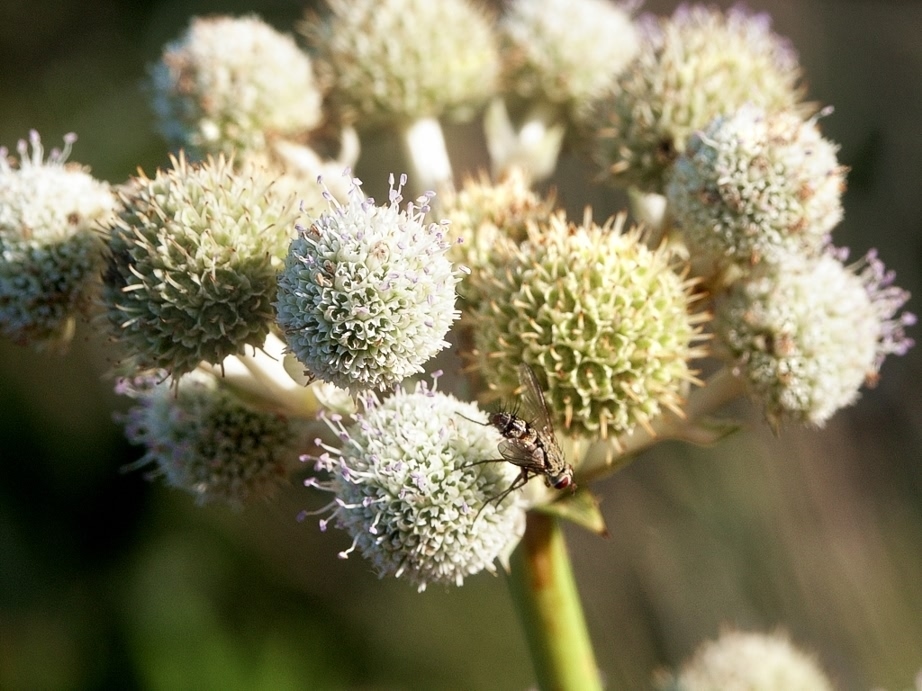
A member of the Himenoptera family / Un miembro de la familia Himenóptera
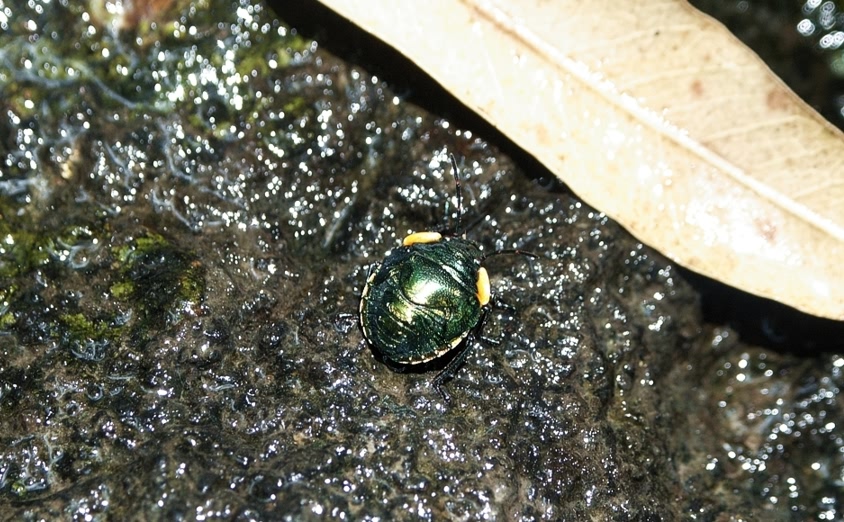
The Hemiptera is the largest and by far the most sucessful of the Hemimetabolic insects (having young that look like wingless adults and a sort of metamorphosis that does not involve a pupa).The hemiptera range from 1 mm to 11 cm in length, their antennae usually only have 4 or 5 segments. Two or 3 ocelli are usual and their compound eyes are normally well developed. The main feature of these insects is the mouthparts which are of the piercing/sucking type. Within this group the wings of the Heteropterans are usually held flat over the body and the forewings which are hard and stiff almost like beetle elytra, have the end part soft and membranous. Therefore, Heteropteran forewings are referred to as 'hemi-elytra'.
El género Hempitera es el más grande y exitoso de los insectos hemimetabólicos (aquellos cuyas crías parecen adultos sin alas y poseen una clase de metamorfosis que no involucra el estadio de pupa). Su tamaño varía entre 1 mm y 10 cm de longitud y sus antenas usualmente tienen solamente 4 o 5 segmentos. Usualmente se distinguen dos o tres ocelos junto con sus ojos compuestos que se hallan bien desarrollados. La característica principal de este género son sus piezas bucales que están diseñadas para picar y chupar. Dentro de este género los heterópteros pliegan sus alas sobre el cuerpo. Las alas anteriores son rígidas como los élitros de los escarabajos, terminando en una protuberancia suave y membranosa. Es por ello que se denominan 'Hemiélitros'.
Mar 4, 2005
Crenicichla Lepidota (Pike / Cabeza amarga)

Pike Cichlids are a group of South American fishes of the genus Crenicichla. They inhabit the freshwater streams, rivers and pools of most of the Amazonian rivers, but there are many species all the way down to coastal regions of central Argentina and Uruguay. Crenicichla or Pike cichlids as their name implies, are mostly predatory, consuming small fish for prey. Most of them have an elongated body and a wide, protrusible mouth - features common to many predatory fish.
Pikes are cave-spawners, laying their adhesive eggs somewhere where it would be difficult for you to see. The female is responsible for the care of eggs and the male guards the immediate region against intruders. The eggs hatch in about 3-4 days and the fry are free-swimming in another 3-4 days, depending on the temperature.
Los cabeza amarga son un grupo de peces del género Crenicichla. Habitan los cursos de agua dulce en la mayoría de los tributarios del Amazonas pero también existen especies en las regiones costeras de Argentina y Uruguay. Son peces predadores que consumen otros peces de porte más pequeño. La mayoría de ellos poseen cuerpo alargado y boca saliente, una característica típica de los peces con estos hábitos alimenticios. Desovan usualmente en pequeñas oquedades, lo que hace muy difícil de hallar sus huevos. La hembra es responsable por su cuidado mientras que el macho se encarga de vigilar e intimidar a los intrusos que acerquen demasiado. Las crías nacen entre los 3 y 4 días de la puesta y pueden nadar libremente 3 o 4 días más tarde, dependiendo de la temperatura circundante.
(Río Cuareim - Artigas)
Mar 2, 2005
Gymnogeophagus balzanii

The males of this cichlid have a huge clear liquid filled 'hump' on their forehead that starts at the top of the head at the beginning of the dorsal fin and continues down to the upper lip. The shape of this 'hump' gives them a very square and large looking head. They also shimmer with dazzling iridescent colored speckles on their sides ranging from green to blue. These beautiful speckles could also be seen in their ventral and anal fins. The male has a long extension on his dorsal fin as seen in most cichlid species. Both sexes have also the vertical bars. The females are a bit smaller than the males and lack hump.
Los machos de este cíclido poseen una protuberancia llena de líquido en su frente, la cual comienza en la parte superior de la cabeza al comienzo de la aleta dorsal y continúa hasta el labio superior dándoles una forma casi cuadrada. Sus escamas brillan con colores iridescentes que varían del verde al azul. Dichas iridiscencias pueden también verse en la aleta dorsal y anal. Otro aspecto característico de los machos es una larga extensión en ambos extremos de la cola como ocurre en muchos cíclidos. Ambos sexos poseen barras verticales. Las hembras a su vez son más pequeñas y carecen de la joroba.
(Río Uruguay - Salto)
Subscribe to:
Posts (Atom)